
bHIP's Journey: Origins, Business Model and Opportunity
Key Takeaways
- bHIP describes itself as an internationally oriented wellness company that has expanded into multiple markets.
- Its stated business model involves product consumption, recommendations and the development of distributor networks.
- The company markets products in categories such as nutrition and energy. Its stated manufacturing standards should be checked against current product-specific documentation.
- Distributors may qualify for compensation from sales and eligible team activity, subject to the applicable plan.
- Transparency and education are important for making informed decisions about business participation.
The Origins and Evolution of bHIP
Establishing an International Company
From its earliest stages, bHIP’s stated vision was to build a company with international reach. Rather than limiting the business to a single market, the original describes an ambition to understand different cultures, reach consumers in different countries and establish an operational structure capable of supporting expansion. Wellness products were intended to form the foundation of that vision.
Expansion Into Global Markets
The original describes bHIP’s development as a gradual expansion into different markets. This involved more than opening offices: it also meant adapting communication to local needs and organizing events and educational activities in relevant languages and cultural contexts.
International expansion is an important part of the company’s stated history. Current authorized markets, offices, product availability and the extent of its operations should be checked using up-to-date records.
Initial Vision and Purpose
bHIP’s stated vision extended beyond product sales to include opportunities for personal and professional development. The original emphasizes wellness, business education and mutual support within its distributor community.
Building an international company requires planning, adaptability and a long-term perspective. The company’s aspirations for accessible entrepreneurship and sustainable growth should be considered alongside actual business conditions and outcomes.
The bHIP Business Model

Three Fundamental Pillars of the Model
The original describes three pillars of the bHIP model: product consumption, direct recommendations and team development.
The first involves becoming familiar with the products. The second involves sharing accurate information with interested consumers. The third concerns the organization of independent distributor networks. Review the applicable compensation plan to understand how these activities are treated, particularly the distinction between genuine independent retail demand and participant purchases.
Product Consumption and Recommendations
The original emphasizes familiarity with the products before discussing them with others. Knowing the ingredients, intended uses and label directions can help distributors communicate more clearly.
Personal experience, however, does not establish product safety or effectiveness. There should be no pressure to purchase or consume products. Recommendations should be based on appropriate evidence, accurate information, disclosure of commercial interests and respect for the consumer’s decision. Health questions requiring professional judgment should be referred to a qualified healthcare professional.
Developing Teams and Networks
The original describes team development as sharing business information and supporting independent distributors as they learn about the model. It emphasizes education, mutual support and personal development alongside commercial activities.
Responsible leadership should respect each person’s autonomy and financial boundaries. Neither team development nor individual dedication guarantees financial rewards, and distributors may earn nothing or incur losses despite sustained effort.
bHIP Products: Quality and Market Trends
Wellness and nutrition are central to bHIP’s stated product strategy. The Spanish article describes an emphasis on natural ingredients and manufacturing under Good Manufacturing Practices (GMP). These manufacturing claims have not been independently verified here and should be assessed using current documentation for the specific product and facility. GMP does not establish clinical effectiveness or regulatory approval of every product.
The original discusses several product categories, including energy beverages, nutrition, general wellness and personal care. It presents this broader portfolio as part of the company’s international development strategy.
Beyond the catalog, the company describes an approach that combines product distribution with education in communication, leadership and digital business skills. Consumers should evaluate product suitability independently of the business opportunity.
Potential Compensation for Distributors
Direct Sales Compensation
The original describes a retail margin as the difference between the acquisition cost and the selling price of a product. Actual sales procedures, prices, eligibility requirements and payment arrangements depend on the current compensation plan in the relevant market.
A gross retail margin is not the same as net profit. Account for delivery, fees, taxes where applicable, discounts, refunds and other expenses before evaluating any financial outcome.
Team Volume Bonuses
The original describes possible compensation linked to qualifying activity within a distributor network. It mentions the following categories as examples:
- Level 1: Possible compensation connected to eligible activity involving directly sponsored distributors.
- Level 2 and beyond: Possible compensation associated with qualifying activity at other network levels.
- Rank bonuses: Potential additional payments subject to specified volume, rank and eligibility conditions.
These categories are descriptions from the source, not verified current bHIP payment rules. Obtain the applicable written compensation plan and check its conditions, limits and actual incentives. Network size and sales volume do not guarantee income or profit.
Recruitment-Related Incentives
The source refers to possible incentives connected with new distributor enrollment or team targets. It does not establish that such payments are currently available or what conditions apply.
This is an important point to investigate: compensation driven primarily by recruitment-related payments or participant purchases, rather than genuine independent retail demand, may raise significant legal and financial concerns. Examine actual incentives and applicable requirements before considering participation.
Do not interpret any compensation category as a promise of earnings. Evaluate representative net results, all expenses and the possibility of financial loss.
Challenges and Realities for Distributors
Independent distribution, like other forms of commercial activity, involves challenges that should be understood before committing money or time.
Building a Customer Base
Finding interested customers can be difficult, particularly when starting. Friends and relatives may not need the products or may simply not be interested. Their decisions should be respected.
Understanding genuine consumer needs, providing accurate information and offering appropriate customer service may support commercial relationships. Actual demand should be assessed rather than assumed.
Time Management and Motivation
Some distributors combine commercial activities with employment or family responsibilities. Managing these commitments can be demanding, and rejection may be discouraging.
Set manageable working hours, protect other responsibilities and evaluate actual financial results. A decision to reduce or discontinue an unsuitable activity is a valid business decision.
Understanding Public Perception
Direct selling and multilevel marketing can attract skepticism because of concerns about compensation structures and problematic practices within the industry. These concerns should be evaluated using evidence rather than dismissed as misunderstandings.
Transparency, accurate communication and independent research are important. The original identifies several topics commonly discussed within distributor teams:
- The learning curve: Understanding products, applicable rules and the compensation plan.
- Responding to rejection: Learning from experiences while respecting a person’s decision to decline.
- Sharing knowledge: Explaining accurate procedures and encouraging independent judgment among participants.
Exceptional success stories are not representative financial evidence. Time, training and dedication may support learning, but do not guarantee a profitable business.
Transparency and Education at bHIP
Understanding an independent business opportunity can be challenging when information is unfamiliar. The original emphasizes clear communication and informed decision-making rather than asking people to make commitments without sufficient information.
Informational Seminars
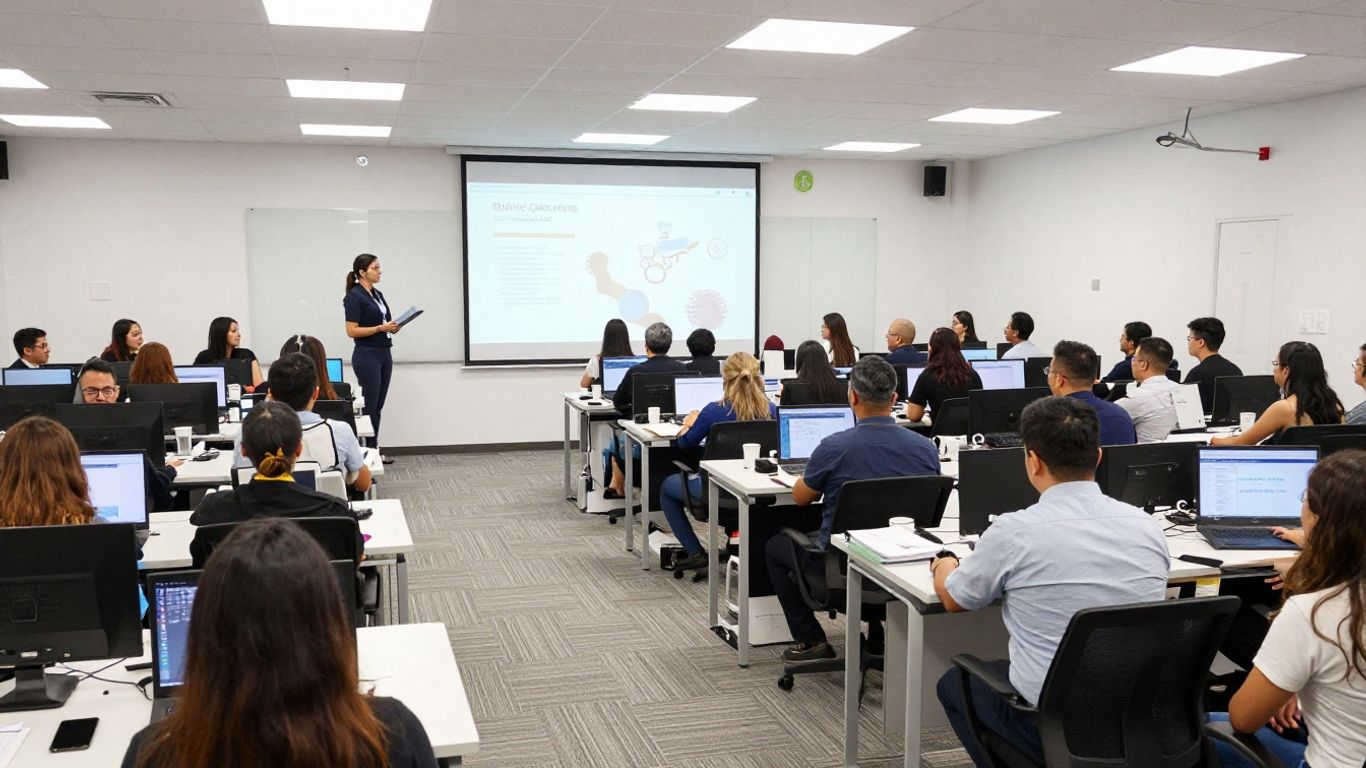
The source describes informational seminars presented as free, where participants can ask questions about the business model, its requirements and professional development. Confirm current availability, any fees or other conditions before attending.
Educational sessions should provide accurate information about the actual financial risks, compensation rules, costs and responsibilities involved. Attendance should not create an obligation to purchase products or participate.
Encouraging Informed Decisions
The original refers to experiences in Latin America that have contributed to public skepticism about direct selling. It emphasizes research, comparison and questions before making a decision.
Consult independent sources alongside company-provided information. Obtain the current distributor agreement, full cost breakdown, return and cancellation policies, compensation plan and representative earnings information. Assess whether the arrangement suits your circumstances and compare alternatives without pressure.
Comparison With Pyramid Schemes

Network-based compensation structures require careful evaluation. Illegal pyramid schemes can involve financial rewards driven primarily by the recruitment of new participants or by purchases and payments associated with participation. Physical products can also be present in such schemes.
bHIP presents itself as a product-based direct selling company. The existence of products and a distributor network does not, on its own, establish whether the actual arrangement is lawful.
Consider these questions when examining any MLM opportunity:
- Product demand: Are products genuinely purchased by independent consumers who are not pursuing the income opportunity?
- Compensation structure: What activities generate rewards, and what role do recruitment-related purchases and payments play?
- Initial and ongoing costs: Are all expenses disclosed, and are participants pressured to make purchases or maintain qualifications?
Examine current local regulations, official findings and actual compensation practices. The original’s positive description of the company is an affiliated perspective, not an independent legal determination.
Public Perception of bHIP

Discussion on Social Media and Forums
Online conversations about bHIP include favorable accounts of personal development and business experiences, as well as questions and criticism. Individual experiences can differ substantially.
Distinguish genuine independent accounts from advertising and affiliated testimonials. Critical accounts may identify legitimate concerns that warrant investigation. Neither positive nor negative posts alone establish the full picture.
Experiences of Customers and Distributors
The original describes participants who report developing communication, leadership and time-management skills, as well as personal experiences with products. Such accounts can provide context but do not establish typical earnings or clinical product benefits.
Not everyone achieves the expected outcomes. Financial results depend on actual demand, costs, compensation incentives and other circumstances, not simply commitment. Investigate both current and former distributors’ experiences.
Seeking Objective and Corroborated Information
When opinions differ, it is useful to compare company materials with independent sources, documented complaints, official findings and reliable product information.
The original describes informational sessions intended to explain the business. Use these sessions as one source of information rather than as a substitute for independent due diligence. Evaluate evidence before making any financial commitment.
The Role of Leadership and Personal Development
Leadership and Education
The original emphasizes leadership development and responsible guidance alongside product distribution. It describes the use of digital tools and social media to organize commercial activities and identifies the GDP System as part of the company’s stated operational approach.
Professional education may help people understand procedures and communicate more clearly. Review the actual tools, costs and conditions of training. Leadership should encourage informed decisions rather than pressure or unsupported promises.
Discipline and Personal Development
Independent business activities are not appropriate for everyone. Carlos’s stated approach emphasizes long-term learning rather than quick wealth. This is a professional development perspective, not a financial guarantee.
Develop useful skills while maintaining personal and financial boundaries. Consider opportunities outside bHIP as well, and review whether actual outcomes justify the time and expenses involved.
Modern Operational Systems
The original describes the GDP System as a product fulfillment structure intended to deliver products directly to consumers without requiring distributors to store large amounts of inventory. Confirm current market-specific delivery arrangements, initial and recurring purchase requirements, qualification rules, logistics costs and return conditions.
Centralized fulfillment may simplify some operational tasks, but it does not establish that participation is free of expenses, financial risk or purchase requirements. International sales remain subject to authorized markets and applicable local rules.
Evaluate the written terms and ask questions before deciding whether the business aligns with your objectives.
Conclusion
The history presented in the original illustrates bHIP’s stated evolution from an internationally oriented wellness company toward a direct selling business supported by distributor networks, education and digital operations.
Its operating history, products and stated systems provide context for evaluating the opportunity, but do not by themselves establish legal compliance, financial viability or product effectiveness. Review current evidence, genuine independent consumer demand, compensation incentives, representative net earnings and all participation costs.
Personal development may be valuable regardless of the company chosen. No income or profit is guaranteed. Make an independent, informed decision about whether to participate, and retain the freedom to decline or discontinue an unsuitable activity.
Frequently Asked Questions
What Is bHIP and How Does It Work?
bHIP describes itself as a direct selling company marketing wellness products through independent distributors. The original describes potential compensation connected to eligible product sales and network activity. Verify the current written terms in your market.
How Much Does It Cost to Join bHIP?
The original refers to an initial product package, but does not establish a current price or universal joining requirement. Obtain a complete written breakdown of enrollment costs, purchases, recurring expenses, qualification conditions and refund policies before committing resources.
Are bHIP Products Good?
The original describes a focus on wellness products and claims manufacturing under GMP standards. Evaluate each product using its exact label, ingredients, applicable warnings, appropriate evidence, price and current documentation. Natural ingredients and manufacturing standards alone do not establish safety or effectiveness for every person.
How Is Money Earned in bHIP?
The original describes potential retail compensation and qualifying team payments. Review the applicable compensation plan, actual incentives and representative net earnings. Participants may receive no compensation or incur financial losses.
Is bHIP an Illegal Pyramid Scheme?
The original presents bHIP as a direct selling company, but physical products alone cannot determine legality. Evaluate actual compensation incentives, genuine independent retail demand, recruitment-related payments, participant purchases and relevant regulatory findings. This article does not independently establish a legal conclusion about bHIP.
What Challenges Do Distributors Face?
Possible challenges include finding genuine customers, managing time, understanding the compensation plan, covering expenses and navigating uncertain demand. Respect a customer’s decision to decline, and evaluate whether the activity remains financially appropriate.
Why Is There Confusion About bHIP?
Public perceptions may reflect experiences with other MLM companies, documented concerns, individual accounts or misunderstandings. Investigate the actual business model and relevant evidence rather than relying exclusively on promotional claims or generalizations.
What Does It Take to Succeed in bHIP?
Accurate product knowledge, communication skills, organization and responsible commercial conduct can support professional development. Financial outcomes also depend on actual demand, compensation rules, expenses and other conditions. No level of effort guarantees income or profit.
Disclosure: This website is affiliated with bHIP and may have a commercial interest in purchases or participation. This English adaptation presents the perspectives and history described in the Spanish source. Current company-specific compensation terms, manufacturing claims, international operations, product benefits and regulatory compliance have not been independently verified. This article is general educational information, not legal, financial or medical advice.