
Key Takeaways
The size of a network marketing company should not be assessed solely by counting its registered distributors. Geographic reach, community diversity, development across markets and the structure connecting products, consumers and distributors also matter.
bHIP’s reported international development provides an example of a community organized around direct selling and wellness products. Relevant considerations include:
- Reported international activity connecting distributors and consumers across markets.
- A community bringing together people with different cultures, backgrounds and experience levels.
- A network marketing model involving independent distributors.
- Training and leadership development within distributor organizations.
- Digital tools that facilitate communication, education and collaboration across locations.
- Growth measured not only through registrations but also through genuine customers, commercial activity, education and leadership development.
The exact number of active distributors and independent retail customers has not been independently established for this article.
bHIP's International Growth
Network marketing companies can expand differently from conventional businesses. A traditional company might open stores, hire employees or develop additional distribution channels. In direct selling, independent distributors may develop customer relationships and, where authorized, organizations operating across additional markets.
This helps explain how a company such as bHIP may develop an international community without relying exclusively on conventional retail establishments. Expansion also involves adapting to different cultures, consumer preferences, regulations and commercial practices.
Overcoming Geographic Barriers
Historically, network marketing relied heavily on physical proximity, in-person presentations, meetings and telephone conversations. Video calls, digital platforms and online communities now enable participants in different locations to communicate more easily.
These tools may connect bHIP distributors across authorized markets, subject to local conditions. Technology reduces communication barriers, but cannot remove regulatory, cultural or commercial differences. Developing international relationships requires appropriate local adaptation.
An International Distribution Network
Independent distributors are central to bHIP’s stated model. They may market products, serve consumers and undertake eligible team activities under applicable terms.
The relationship can be understood through three components: bHIP provides the stated products and commercial structure; distributors undertake activities within that structure; consumers decide whether products offer value for their needs.
Network development introduces additional education and organizational requirements. The quality of a network cannot be measured solely by size. Participants should understand the products, actual compensation arrangements and responsibilities, while developing their ability to make independent decisions.
The Role of New Markets
Expansion may broaden a company’s commercial reach, but entering a market does not guarantee distributor success or identical outcomes across countries. Consumer habits, familiarity with direct selling, regulations and product availability may differ.
Communication, education and commercial activities therefore need local adaptation. An international model requires local execution. Verify current authorized markets and conditions before undertaking cross-border activities.
Organizational Diversity and Reach
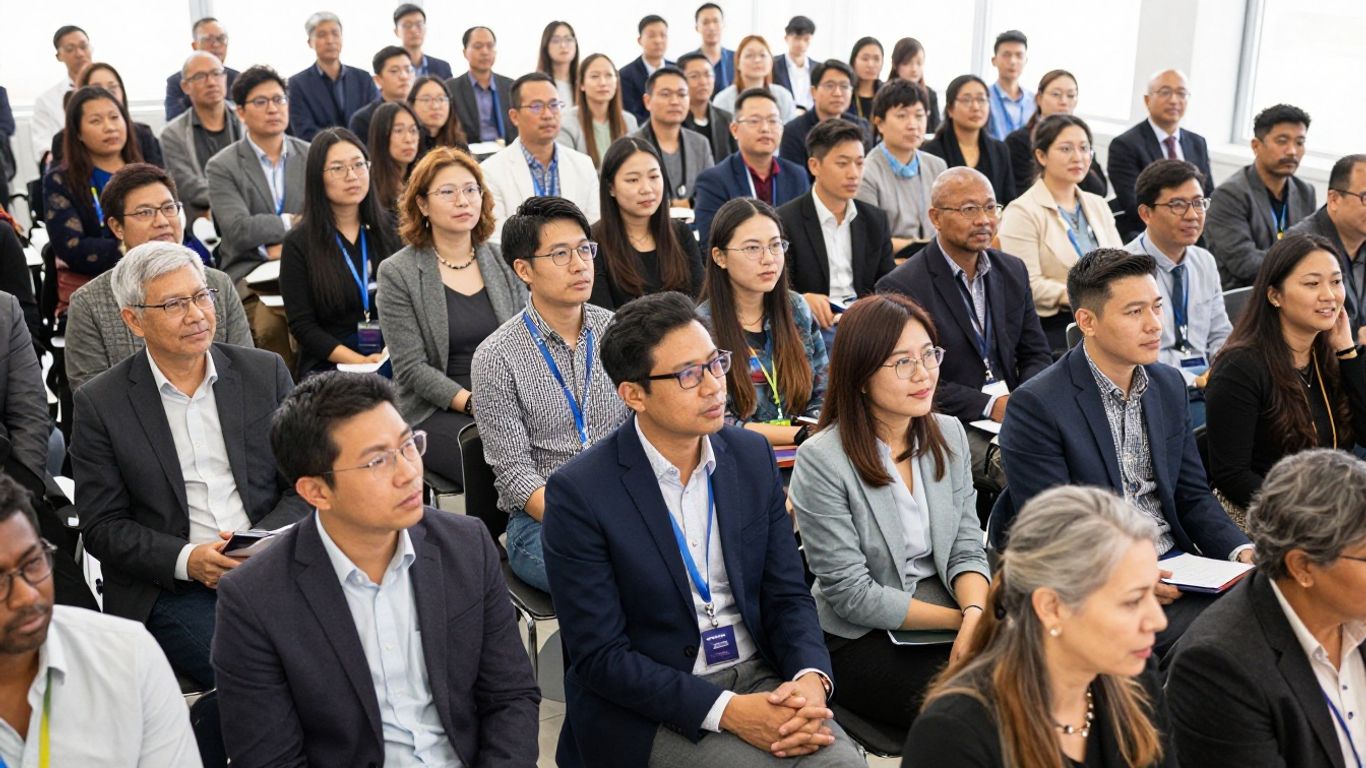
An international community may include people with different languages, cultures, ages, professional backgrounds, skills and objectives. Some encounter bHIP as consumers; others investigate additional commercial activity or organizational development. There is no single distributor profile.
A Multicultural Community
Cultural diversity can influence how consumers communicate, assess products, expect customer service and understand leadership. International teams may exchange observations and learn from different environments.
Strategies should not be copied automatically across borders. Listening and understanding cultural differences help people adapt useful principles to local circumstances. Exposure to different perspectives is one potential benefit of international collaboration.
An Opportunity Considered by People From Different Backgrounds
Direct selling may have different entry requirements from conventional business models. People with varying levels of experience may explore commercial skills such as communication, customer service and organization, subject to actual eligibility conditions.
Accessibility and subsequent success are different questions. Someone may develop transferable skills, while another may find the activity unsuitable. Assess the actual requirements, costs, representative earnings and personal circumstances. No background or level of commitment guarantees a profitable outcome.
United by Shared Objectives
Members may have different objectives, including learning, purchasing products or exploring commercial activity. Shared participation does not imply identical expectations or results.
Elements that may support a responsible community include:
- Continuous learning: Developing relevant professional abilities.
- Collaboration: Sharing experiences and appropriate practices.
- Adaptation: Learning from different markets.
- Leadership development: Encouraging independent judgment.
- International perspective: Recognizing different local realities.
Community strength can also be considered in terms of how knowledge is shared and whether people develop greater autonomy.
The Role of Community in bHIP
The community component distinguishes network-based distribution from some forms of individual selling. Experienced participants may share knowledge, discuss procedures and provide educational support to newcomers.
Community cannot perform the work for each person or guarantee outcomes. Its potential value lies in supporting learning and collaboration.
Support and Collaboration Within Teams
New commercial activities generate questions about accurate product presentations, genuine customers, appropriate follow-up, time management and responding respectfully to refusal.
Shared experience may help answer these questions without requiring everyone to discover procedures independently. However, receiving support differs from becoming permanently dependent on another person. Useful education should encourage informed decisions and autonomy.
Personal and Professional Development
Direct selling activities may involve listening, explaining information, customer service, managing rejection, organizing objectives and presenting ideas. Practicing these activities may contribute to transferable communication, organization and leadership skills.
Participation does not automatically produce personal development. Carlos’s stated perspective emphasizes the potential value of learning beyond financial outcomes. Professional development should nevertheless be evaluated separately from profitability, and alternative learning opportunities should also be considered.
Events, Training and Connection
Events and educational sessions may provide opportunities to share information and experiences across locations. Digital channels can maintain communication between occasional meetings.
Attendance is not the same as commercial activity. Learning becomes useful when it can be applied appropriately. Evaluate the availability, costs and quality of training rather than assuming that participation produces earnings.
A capable network may help convert connection into learning and learning into independent professional abilities.

Innovation as Part of Network Development
Social media, video calls, digital content and communication platforms have changed how people research products and interact with distributors. These developments provide new ways to communicate across distances.
Innovation involves more than adopting technology. It also involves evaluating how tools support responsible commercial fundamentals.
Technology Applied to Communication
Digital tools may facilitate communication between teams, remote education, appropriate follow-up, sharing experiences, coordination and educational content creation.
A video call enables communication but does not establish training quality. Social media may broaden reach without creating trust automatically. The usefulness of technology depends on how it is applied, including respect for privacy and consent.
Adapting to New Consumer Habits
Consumers can research ingredients, compare alternatives, read reviews and consult independent sources. A distributor is often only one of several information sources.
Useful customer service may involve clarifying accurate information, answering questions and helping people evaluate alternatives without pressure. Better-informed consumers increase the importance of substantiated communication.
Innovating Without Abandoning the Fundamentals
New digital platforms and artificial intelligence can help create presentations, organize information and support certain tasks. They do not guarantee genuine product demand, customer relationships or credible content.
Information generated with these tools still requires verification. Innovation is most useful when it supports accurate communication, education, organization and genuine consumer service.
Leadership and Development Within an International Community
As a network develops, distributing knowledge across different locations may reduce reliance on a small group of experienced people. Leadership involves helping participants develop appropriate skills and independent judgment.
Developing Leaders, Not Merely Followers
An organization dependent on one person for every decision may face bottlenecks. Participants can learn accurate product communication, consumer service, appropriate follow-up and organization.
Some may subsequently choose to share those abilities with others. The objective should be developing capability rather than dependence, and neither education nor team development guarantees financial success.
Mentoring and Learning Among Distributors
Experienced people may share lessons about difficult conversations, changing conditions, customer questions and strategies that proved ineffective. Such perspectives may help people identify mistakes.
Mentoring cannot guarantee outcomes. Each distributor needs to evaluate the relevance of advice to local conditions and personal circumstances. A sponsor may also have commercial interests, making independent verification important. Good mentoring supports judgment rather than copying instructions without question.
Responsible Leadership
Influencing others creates responsibilities. Leaders should avoid:
- Guaranteed earnings promises.
- Unsupported or exaggerated product claims.
- Pressure to enroll or purchase.
- Presenting exceptional results as typical.
- Treating recruitment as a substitute for genuine commercial activity.
Accurate information, relevant education and respect for individual decisions provide a more responsible approach than relying exclusively on motivational presentations.
Economic Potential Within the bHIP Model
Financial considerations are a reason some people investigate network marketing. They should be examined directly without promises of guaranteed income, financial stability or universal prosperity.
The useful question is how actual compensation is generated, which incentives exist and what factors influence net financial outcomes.
Additional Income and Independent Commercial Activity
Some people investigate direct selling as an additional activity, while others consider dedicating more time. The applicable terms determine what activities may qualify for compensation.
Commercial activities may involve product knowledge, genuine customers, sales, appropriate follow-up, understanding compensation rules, developing skills and undertaking relevant organizational responsibilities. Access to a business structure does not automatically generate earnings. Assess actual demand and costs before committing resources.
Variable Results and Realistic Expectations
Participants may have different experiences, available time, prior skills, markets and expenses. Actual compensation incentives and independent consumer demand also influence outcomes.
| Factor | Potential influence |
|---|---|
| Time committed | May affect available activity time |
| Skills | May influence communication, sales and customer service |
| Customers | Genuine independent demand contributes to commercial activity |
| Training | May support learning and execution |
| Team | May influence qualifying organizational activity |
| Market | Influences demand, competition and opportunities |
| Costs | Reduce net financial results |
This table provides general evaluation criteria, not a model for predicting earnings. A verified success story establishes one individual’s outcome, not what others will achieve. Request representative net earnings information. Participants may earn nothing or incur losses despite sustained effort.
Economic Value Is Not Limited to Income
Commercial experience may involve transferable skills in sales, communication, negotiation, customer service, time management, content creation, leadership and collaboration.
These skills may have value beyond one company, but should not be used to justify continuing a loss-making activity. If earning income is your objective, evaluate revenue, all expenses, hours worked and net results separately from personal development.
International Operations and Local Adaptation
Developing an international community involves more than internet communication. Product availability, regulations, commercial conditions, languages and consumer preferences may vary across markets.
Products and Availability by Market
Do not assume every product is available under identical conditions worldwide. Catalogs, labels, ingredients, warnings and applicable requirements may differ.
Consult the exact product information and current documentation for the country where a purchase will take place. International reach does not replace market-specific accuracy.
Logistics and the Consumer Experience
Consumers need clear information about purchasing, availability, delivery, fees, returns and support channels. Logistics arrangements should be checked using current local information.
The original does not establish identical delivery times, procedures or service conditions across markets. Clear operational information helps consumers evaluate the purchasing experience.
Adapting to Each Country's Rules
International businesses and distributors need to respect applicable local requirements relating to products, labeling, advertising and commercial practices.
Specific claims about authorizations, registrations or compliance require verification in the relevant jurisdiction. A commercial message permitted in one market may need modification elsewhere. International does not mean identical.

The Consumer Experience Within an International Network
Network growth depends on more than registering distributors. Consumers are an essential part of product-based commercial activity. Large enrollment figures do not establish genuine product demand.
Consider the relationship between independent distributors and customers who purchase products without pursuing the business opportunity.
The Relationship Between Distributor and Consumer
Direct selling may involve answering questions, explaining products and providing appropriate after-sales support. These interactions create responsibilities to communicate accurately and respect consumers’ independent choices.
Distinguish product characteristics, official materials, individual experiences and claims supported by appropriate evidence. Exaggerated promises are not a substitute for trustworthy service.
Listening to Consumers as Part of Development
Questions, objections and feedback may reveal information gaps, purchasing considerations and processes requiring improvement.
Ask what information a consumer needs, what they are looking for and which questions remain unanswered. Listen respectfully and do not assume that a product is suitable. Different markets may have different consumer expectations.
Testimonials and Experiences: Using Them Responsibly
A testimonial describes an individual’s reported experience. It does not establish that another person will obtain similar results or that a product is clinically effective.
Use authentic, appropriately disclosed experiences only within applicable requirements. Avoid anonymous or unverifiable accounts and unsupported health or income claims. Distinguish what reliable evidence establishes from what someone personally reports.
Training and Distributor Development
International organizations may need ways to share knowledge about products, communication, customer service, organization and leadership. Training can support learning, but it cannot guarantee earnings or business viability.
Learning the Fundamentals Before Seeking Growth
Before assuming organizational responsibilities, a distributor should understand the products, substantiated claims, genuine independent consumers, respectful follow-up, current business model, relevant policies and financial uncertainty.
Education can provide useful professional foundations when information is accurate and people are encouraged to make independent decisions.
Continuous Training
Tools, markets and consumer behavior continue to evolve. Relevant areas of professional development may include:
| Area | Objective |
|---|---|
| Products | Communicate accurate, substantiated information |
| Sales | Understand consumer needs and preferences |
| Follow-up | Provide appropriate customer service |
| Digital communication | Use relevant channels responsibly |
| Organization | Manage time and activities |
| Leadership | Encourage professional development and autonomy |
| Markets | Adapt to local conditions and requirements |
Assess the costs, quality and usefulness of available training. Knowledge becomes valuable when it supports responsible decisions and practical abilities, rather than merely increasing the amount of material consumed.
From Learning to Leadership
Some participants may progress from learning commercial procedures to applying them and sharing relevant knowledge with others.
This helps explain the importance of leadership in network-based organizations. Beyond counting members, consider whether people are developing useful capabilities and independent judgment. Such development is not a guarantee of expansion or profitability.
How a Network Marketing Organization Expands
From the outside, network growth may appear to be a simple process of enrolling additional people. In practice, registrations do not necessarily become active distributors, active participants do not necessarily acquire customers, and successful individuals do not necessarily become effective mentors.
Size and sustainable commercial activity are different measures.
From an Individual to an Organization
The original describes a model in which a distributor may develop customers and explain the opportunity to eligible adults who voluntarily express interest. Some may choose to undertake their own commercial activities.
Rather than focusing solely on enrollment, the source emphasizes customers, commercial activity, education, leadership and organizational development. This is a conceptual description, not a guaranteed growth sequence.
Assess actual compensation incentives and independent consumer demand. Network expansion alone does not establish legality, financial viability or individual earnings.
The Importance of Replicable Processes
The industry term duplication refers to sharing understandable processes that other people can learn and apply. It should not require everyone to behave identically or repeat recruitment scripts without independent judgment.
Useful transferable fundamentals may include accurate product knowledge, customer service, respectful follow-up, organization, education and responsible conduct. Local circumstances and consumer needs still require adaptation.
Sustainable Growth Versus Rapid Expansion
Registration growth can be rapid without resulting in sustained commercial activity. Additional indicators include genuine independent customers, informed distributors, responsible leadership, actual sales and realistic expectations.
Carlos’s stated perspective emphasizes enduring fundamentals rather than growth speed alone. Corporate financial performance and representative distributor net earnings also deserve separate consideration.
International Reach as an Advantage and a Challenge
International communities can connect participants across regions and provide opportunities to share knowledge. They also introduce greater operational, cultural and regulatory complexity.
Sharing Knowledge Across Markets
A strategy or educational approach used in one market may provide ideas elsewhere, but copying without adaptation can be inappropriate. Culture, language, consumer preferences and applicable rules influence commercial communication.
The useful question is which principles can be learned and adapted responsibly to a particular market.
Coordinating a Diverse Community
A broad organization may include people with varying experience levels and different approaches to in-person or digital activity. Training should recognize these differences rather than assuming everyone starts with the same knowledge.
International leadership requires listening, clear communication and respect for local perspectives. Scale increases responsibilities as well as communication possibilities.
Global Operations Require Local Execution
A brand may have an international strategy, while each consumer and distributor operates within particular local conditions. Product availability, information, permitted practices and communications need to correspond to the relevant market.
Combining international reach with appropriate local adaptation is an important challenge for any global organization.
The Future of bHIP's Growth
The future size of bHIP cannot be predicted or guaranteed. The original instead examines broader trends that may influence the company’s operating environment: digitalization, informed consumers, professional development and international collaboration.
Digitalization and New Ways to Build Community
Digital communication enables teams to exchange information, participate in remote education and make content available beyond physical meetings. These developments may continue to change the skills involved in commercial activity.
Useful digital content, professional communication and responsible use of new tools may support customer service. Technology does not automatically create trust, demand or financial results.
Better-Informed Consumers
Consumers can compare products, research ingredients, consult different perspectives and question claims. This challenges one-way sales presentations and increases the importance of accurate explanations.
Reliable information and respectful customer education are preferable to pressure. People should remain free to evaluate alternatives and decline purchases or participation.
Growth Based on Quality
Network size alone should not define development. Consider the quality of information, customer service, training, leadership and actual commercial activity.
The source emphasizes turning international connections into useful knowledge, appropriate consumer service and greater professional capability. Whether these activities produce sustainable financial outcomes requires actual evidence.
Final Reflections
How big is bHIP? The question initially appears to concern a number, but the source proposes considering geographic reach, genuine consumers, independent distributors, commercial activity, education and leadership development together.
The Spanish original describes an international community around wellness products and direct selling. Its exact current size, number of active distributors, independent customer count and authorized market list require current, verifiable corporate information.
Carlos’s stated perspective emphasizes distinguishing registrations from meaningful commercial activity and transferable skills. Communities may facilitate collaboration and learning, but neither community membership nor mentorship guarantees income. Corporate policies, actual compensation incentives, genuine demand, expenses and market conditions all affect the evaluation.
Anyone considering participation should obtain the current written terms, review representative net earnings, understand all costs and cancellation conditions, and examine relevant independent evidence. No income or profit is guaranteed, and choosing not to participate or discontinuing an unsuitable activity is valid.
From the perspective presented in the original, the meaningful development of an international community involves responsible consumer relationships, accurate information, adaptation to local markets and people capable of independent decisions, rather than merely accumulating registrations.

Frequently Asked Questions
How Big Is the bHIP Community?
The original describes an international community of consumers and independent distributors. An exact participant count requires current, verifiable information. Distinguish total registrations from active distributors and genuine independent retail customers. Geographic reach, actual commercial activity and organizational capabilities provide additional context.
How Many Countries Does bHIP Operate In?
The source describes international operations without establishing an exact current country count. Consult up-to-date authorized market information. Having community members connected internationally is not necessarily the same as having officially available commercial operations in every country.
How Does bHIP's International Community Work?
The stated model involves independent distributors, products, consumer relationships and eligible network activities. Digital tools may facilitate education and communication across locations. Each participant’s responsibilities and compensation conditions depend on applicable terms. Community support does not guarantee commercial results.
Can Anyone Join bHIP?
No universal eligibility should be assumed. Participation may depend on legal age, authorized market availability, enrollment requirements and local conditions. Review the current agreement and full costs before deciding. Eligibility to enroll does not establish financial suitability or profitability.
Can You Earn Money With bHIP?
The original describes potential compensation under the relevant plan. Review actual qualification rules, independent consumer demand, participant purchases, recruitment-related incentives, representative net earnings and costs. No income or profit is guaranteed. Participants may earn nothing or incur losses despite sustained effort.
How Important Is Training Within bHIP?
Education may help people learn product information, communication, customer service, organization and leadership. International communities may share knowledge across locations. Verify training availability, quality and costs. Attending training does not guarantee financial success.
Why Is Community Important in Network Marketing?
A community may provide opportunities for sharing knowledge, discussing experiences and developing transferable abilities. Responsible collaboration should encourage independent judgment rather than dependence on leaders. It should respect questions, personal boundaries and the freedom to leave.
What Makes the Growth of a Network Like bHIP Sustainable?
Relevant criteria include genuine independent consumer demand, competitive products, actual commercial activity, informed distributors, responsible education, appropriate customer service, leadership, financial viability and adaptation to local conditions. Registrations alone do not establish sustainable growth. Review actual compensation incentives, operating evidence and representative financial outcomes rather than relying only on network size.
Disclosure: This website is affiliated with bHIP and may have a commercial interest in purchases or participation. This English adaptation presents the original article’s description of bHIP’s community and Carlos Medellín’s perspective. Current participant counts, authorized markets, company-specific operations, compensation terms, representative earnings and regulatory compliance have not been independently verified. This article is general educational information, not legal, medical or financial advice.