
When people research a company, one of the first questions they tend to ask is:
“How long has this company been around?”
It is a logical question. But Carlos believes that, on its own, it is not enough. The real question should not simply be how long a company has been operating. The right question is:
What has the company accomplished during that time?
Corporate longevity is not measured solely in years. It is measured by the ability to adapt, innovate, maintain customers’ trust and continue creating value through different stages of the market.
Many companies are founded. Very few endure. Fewer still manage to expand internationally while maintaining a clear long-term vision.
That is why Carlos, when evaluating any organization, does not begin by looking only at its founding date. He examines the entire journey the company has taken since that moment.
He calls this process the Five Levels of Corporate Growth:
- Foundation.
- Expansion.
- Operational maturity.
- Global adaptation.
- Long-term sustainability.
The same approach can be used to analyze any organization. In this guide, we will see how these principles help explain the evolution of bHIP from its beginnings to its current international presence.
Key Takeaways
- Discover why a company’s age is only one part of its credibility.
- Learn how Carlos analyzes corporate evolution using five stages of business growth.
- Understand how a long-term vision influences international expansion.
- Discover why continuous innovation strengthens an organization’s ability to endure.
- Learn to evaluate any company’s track record through an executive, objective approach.
The History and Origins of bHIP
Every company begins with an idea. But only some manage to turn that idea into an organization that remains relevant for years.
Carlos explains that a company’s origins provide important information about its initial purpose, although what truly matters is how that vision evolves over time.
Companies that endure for decades often share one characteristic: they are not founded solely to sell products. They are founded with the intention of building an organization capable of sustainable growth.
That is the first level of corporate growth: foundation.
The Company's Foundation and First Steps
Every solid organization needs a structure before it begins expanding. Carlos believes that companies with the strongest prospects devote their early years to building processes, developing teams and establishing an operational foundation capable of supporting future growth.
From its early years, bHIP developed infrastructure intended to support international operations through centralized systems and a strategy designed to grow beyond a single market.
For Carlos, this decision reflects a characteristic shared by companies that think in decades rather than focusing solely on immediate results.
Terry LaCore's Vision When Starting the Project
Behind every company lies a business vision. But a vision gains real value only when it remains relevant over time.
Carlos believes the founder’s role is to establish a clear direction that enables the organization to grow without losing its original purpose.
In the case of Terry LaCore, the initial vision focused on building a platform centered on wellness, entrepreneurship and the development of an organization prepared to expand internationally.
For Carlos, more important than the founder’s individual role is the ability to transform that initial vision into a business culture that continues guiding the company many years after its creation.
The Market at the Time of Launch
Every company is founded in a competitive environment. Carlos explains that understanding this environment helps explain many strategic decisions made during the early years.
When bHIP began operating, the wellness industry already had numerous participants. Standing out required much more than offering products. It required a proposition built around innovation, consistent processes and a sustainable growth strategy.
For Carlos, companies that survive in highly competitive markets often do so because they discover a different way to create value, not simply because they arrive first.

Evolution and International Expansion
Founding a company is an achievement. Expanding it internationally is an entirely different challenge.
Carlos believes that the second major level of corporate growth begins when an organization demonstrates that it can operate beyond its home market without losing consistency in its strategy.
Expansion does not simply mean opening offices in different countries. It involves understanding new cultures, adapting to different regulations, building efficient supply chains, developing local leadership and maintaining a strong corporate identity as the company evolves.
That is why Carlos regards international expansion as one of the most visible indicators of business maturity.
Key Milestones in the Brand's Global Development
Every company has moments that define its history. Carlos explains that these milestones represent much more than growth figures. They reflect strategic decisions that strengthen an organization’s ability to serve an increasingly broad market.
Over its history, bHIP has consolidated international operations by opening new markets, strengthening its logistics infrastructure and developing a global network of independent distributors.
Each stage of growth has contributed to expanding its presence without abandoning the goal of building an organization prepared for the long term.
For Carlos, truly solid companies do not merely celebrate growth. They celebrate the ability to sustain it.
Strategic Adaptation to Different Regional Markets
One of the greatest challenges for any international company is understanding that no two markets are exactly alike. Consumers change. Regulations change. Customs change.
Carlos believes that a mature organization does not try to apply a single formula in every country. It develops a global strategy with the ability to adapt locally.
In the case of bHIP, expansion into regions such as North America, Asia-Pacific and Latin America reflects a growth process accompanied by adaptation to each market’s characteristics. This expansion took place progressively, consolidating North America first and subsequently extending into Asia-Pacific and Latin America.
For Carlos, this flexibility represents a competitive advantage. Companies that listen to each market tend to build stronger relationships with customers, distributors and communities.
Positioning Strategies in New Countries
Entering a new country requires much more than launching a product. Carlos explains that trust must be built first, followed by relationships and finally a sustainable reputation.
Organizations seeking responsible growth often invest in advance research, develop strategic alliances and establish structures capable of supporting the people representing their brand in each region.
This approach is described for bHIP as well: entry into new markets is supported by prior planning, strategic relationships and a corporate structure designed to support independent distributors.
For Carlos, this form of expansion reflects a philosophy focused on sustainable growth rather than speed alone. Companies that endure for decades do not simply seek to be present in more countries. They seek to build trust in each one.
The Business Model Behind the Brand
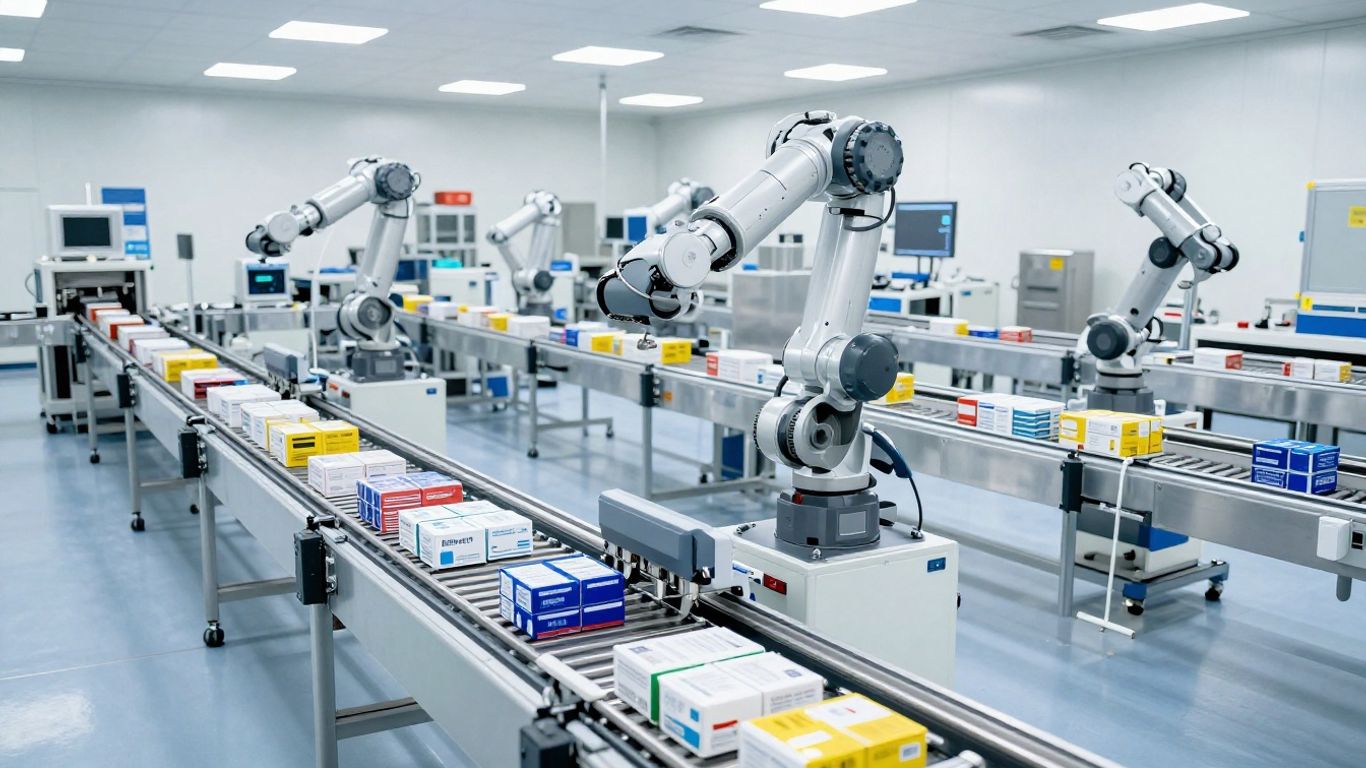
After consolidating its international presence, every company needs an operating system capable of supporting that growth. Carlos believes this is where the third level of corporate growth, operational maturity, begins.
A company can expand rapidly. But if its business model does not consistently create value, that growth is unlikely to be sustainable.
That is why Carlos, when analyzing an organization, does not first ask how much it sells. He asks how it works. How does the product reach the consumer? How is value created? How are the people who form part of the organization supported?
These questions offer deeper insight than any isolated figure. A solid business model is measured not only by its current results but also by its ability to continue operating efficiently as the company grows.
How the Direct Selling System Works
Carlos often says that a business model should not be judged by its popularity. It should be understood through the way it creates value.
Direct selling is a system used by numerous international companies to connect products with consumers through independent distributors. However, Carlos believes the real analysis should not focus solely on the distribution channel. It should focus on the structure supporting that channel.
In the case of bHIP, the model allows independent distributors to develop their own commercial activities with support from centralized corporate systems, reducing traditional intermediaries and facilitating a closer relationship between the product and the end consumer.
For Carlos, direct selling alone does not determine a company’s strength. What really matters is the system’s ability to offer a consistent experience to customers and entrepreneurs alike. A good business model does not merely distribute products. It also builds trust.
Benefits for Independent Distributors
When Carlos analyzes an organization, he always examines how it supports the people representing its brand. Mature companies understand that organizational growth depends to a large extent on the growth of those participating in it.
The Spanish article describes resources available to independent bHIP distributors, including technical training programs, centralized logistics support, a structured compensation plan and the opportunity to connect with an international network.
For Carlos, these elements should not be interpreted solely as benefits. They form part of corporate infrastructure. A company that invests in tools, education and operational support demonstrates an intention to build lasting relationships with its community rather than simply adding new participants.
Solid organizations understand that sustainable success begins by strengthening people’s capabilities.
How the Company Supports Community Entrepreneurship
Carlos believes business growth depends not only on products but also on the people who represent them. That is why he pays close attention to how an organization develops the capabilities of its community.
According to the Spanish article, bHIP provides educational resources, technical support and tools focused on developing skills such as communication and leadership, creating an environment in which distributors can strengthen their professional performance.
For Carlos, this kind of support reflects a characteristic of companies with a long-term vision. They do not limit themselves to offering a commercial opportunity. They build an ecosystem in which continuous learning forms part of growth.
When an organization helps people improve professionally, it also strengthens its own sustainability.
Commitment to Product Innovation
After achieving a stable operating structure, the fourth level of corporate growth begins: innovation.
Carlos explains that no company can remain relevant for years if it stops evolving. Markets change. Consumers change. Science advances. Technology transforms entire industries.
Organizations that remain relevant understand that innovation does not mean changing constantly. It means improving continuously without losing the essence that enabled them to grow.
When Carlos evaluates a company, he therefore examines not only the products it offers today but also whether it maintains a lasting commitment to research, development and continuous improvement.
Companies that stop innovating often stop growing. And those that stop growing eventually begin falling behind.

Scientific Development Behind the bHIP Wellness Range
Carlos considers one of the biggest mistakes in evaluating a company to be looking only at its finished products. Consumers see the result. Entrepreneurs analyze the process.
Behind every product lies a chain of decisions related to research, development, formulation and quality control.
The Spanish article explains that bHIP develops its products through collaboration with formulation specialists, seeking to address wellness market needs through research and development.
For Carlos, beyond any individual product, what matters is whether a company maintains a culture of continuous improvement. Organizations that consistently invest in innovation tend to be better prepared to respond to a constantly changing market. Science evolves, and responsible companies evolve alongside it.
Main Wellness Product Categories
A company does not build a reputation solely through the number of products it offers. It builds it through consistency between those products and its business purpose.
Carlos explains that mature companies tend to develop portfolios organized around a clear vision rather than adding products simply to follow passing trends.
According to the Spanish article, bHIP offers different categories of supplements and general wellness solutions, including products related to daily nutrition and energy support, as part of a strategy focused on wellness.
For Carlos, a well-structured portfolio reflects strategic discipline. Every category should respond to a real consumer need and reinforce the company’s identity. Strong organizations do not try to sell everything. They specialize in what they can develop consistently.
Manufacturing Quality and Safety Standards
Consumer trust begins long before a product reaches the customer’s hands. It begins during manufacturing.
Carlos believes internal processes are among the most important indicators of an organization’s maturity.
The Spanish article states that bHIP works with manufacturing and quality-control processes subject to international standards, using facilities that comply with applicable regulations and conducting audits to maintain product consistency.
For Carlos, these processes should not be seen merely as technical requirements. They represent a company’s commitment to safety, quality and consumer trust.
A reputation can take decades to build but can be lost through a single quality failure. Companies that endure understand this responsibility and make operational excellence part of their culture.
The Company's Future in Today's Market
Every company that achieves stability faces a new question: How can it remain relevant over the next ten or twenty years?
Carlos calls this stage the fifth level of corporate growth: long-term sustainability.
Many organizations manage to grow. Some expand internationally. But only a few develop the ability to adapt continuously without losing their identity.
For Carlos, a company’s future depends not only on its current results. It depends on its ability to anticipate change, adopt new technologies, understand evolving consumers and maintain an organizational culture open to innovation.
Companies that survive for decades are not necessarily the largest. They are those that never stop learning.
Digitalization and New Tools for Distributors
Digital transformation is no longer merely a competitive advantage. Today it is a business necessity.
Carlos believes organizations with a long-term vision continually invest in tools that enable more efficient operations, facilitate communication and improve the experience of those who form part of their ecosystem.
The Spanish article highlights that bHIP has incorporated digital platforms to simplify distributor management, reduce geographical barriers and provide entrepreneurs in different markets with faster access to information and resources.
For Carlos, technology does not replace people. It empowers them. Companies that integrate digital tools correctly strengthen their ability to adapt to an increasingly dynamic business environment. Technological innovation has value only when it improves the human experience.
Adapting to Global Healthy-Consumption Trends
Consumers evolve constantly. Their priorities change. So do their expectations.
Carlos explains that a company prepared for the future must listen to the market continuously, not to follow every trend but to identify those representing lasting changes in consumer behavior.
The Spanish article states that bHIP continues adapting its portfolio to respond to growing demand for natural ingredients and responsible production processes, seeking to maintain the relevance of its products in the wellness market.
For Carlos, this adaptability demonstrates an essential characteristic of resilient companies. They do not abandon their mission. They update it to remain relevant. Staying the same for too long can be just as risky as constantly changing without a clear direction.
Prospects for Sustainable Long-Term Growth
After analyzing history, international expansion, the business model, innovation and digital transformation, Carlos reaches a conclusion: companies do not remain relevant by chance.
Longevity is the result of thousands of strategic decisions made consistently over the years.
The Spanish article describes bHIP as maintaining a strategy focused on sustainable growth, prioritizing product quality, strengthening its community and developing a structure prepared to continue operating in the global market.
For Carlos, this vision reflects the final level of corporate growth: sustainability.
A sustainable company does not seek only to grow this year. It seeks to continue providing value in ten, twenty or even thirty years. True business success is not about arriving quickly. It is about enduring.
Final Thoughts
Let us return to the initial question: How long has bHIP been around?
The answer can be found in a date. But Carlos believes that answer, on its own, tells us very little. What truly matters is understanding everything a company has built since then.
Throughout this guide, we have analyzed the evolution of bHIP using the Five Levels of Corporate Growth:
- Foundation: the birth of the business vision.
- Expansion: the organization demonstrates its ability to grow beyond its original market.
- Operational maturity: it develops systems capable of sustaining that growth.
- Global adaptation: it evolves alongside markets and consumer needs.
- Long-term sustainability: it consolidates a culture focused on continuous improvement and longevity.
For Carlos, this framework is useful not only for understanding bHIP’s history but also for evaluating any company.
Truly solid organizations are not defined by the speed at which they grew. They are defined by their ability to remain relevant while continuing to create value for customers, entrepreneurs and communities.
A track record does not guarantee the future. But it does reveal a company’s capacity to adapt, learn and evolve. That represents one of the strongest indicators of corporate credibility.
Frequently Asked Questions
How long has bHIP been around?
According to the Spanish article, bHIP began operating nearly two decades ago and developed a strategy focused on international expansion and sustainable growth from its early years.
Why does a company's age matter?
Carlos believes age alone does not determine an organization’s reliability. What matters is how it has evolved over that time, how it has faced market changes and whether it has maintained a consistent long-term vision.
What does it mean for a company to have an international presence?
Operating in different countries demonstrates the ability to adapt to different regulations, cultures and markets. For Carlos, international expansion is one of the clearest indicators of corporate maturity when supported by a sustainable strategy.
How has bHIP evolved over the years?
According to the Spanish article, the company has strengthened its infrastructure, expanded its global presence, developed digital tools and continued innovating its wellness portfolio to address the needs of different markets.
What role does innovation play in business growth?
Carlos explains that innovation enables organizations to remain relevant in the face of technological and scientific changes and evolving consumer behavior. Companies that stop innovating often lose competitiveness over time.
Why is digital transformation important for a global company?
Digitalization facilitates communication, improves operational efficiency and enables better support for customers and distributors. According to the Spanish article, bHIP continues investing in digital platforms to strengthen the experience of its international network.
What is Carlos's main lesson about a company's track record?
Carlos summarizes his philosophy in one idea:
“Never evaluate a company solely by the year it was founded. Evaluate it by everything it has built, learned and demonstrated since that moment. True corporate credibility is not measured in years; it is measured by the ability to evolve without losing its purpose.”