
Key Points About Physical Locations
Understanding the scope of a company’s operations is an essential step for anyone interested in direct selling. Here are five important considerations when evaluating a multilevel marketing company’s structure:
- A physical location does not necessarily establish that a company operates legally.
- Corporate headquarters and local support centers may have different administrative functions.
- Verifying information through official sources is essential before making financial decisions.
- In-person training can be valuable, but it is not the only available channel.
- Global logistics often relies on strategic partnerships rather than company-owned buildings alone.
Understanding bHIP Global's Business Model
What Is the Direct Selling Model?
The distribution model described by bHIP Global involves networks of independent distributors. This arrangement allows products to reach consumers without relying exclusively on traditional retail stores or large commercial chains. It may reduce certain operating costs, depending on the actual distribution arrangements.
The Brand's International Reach
The original describes the company as having expanded across different continents, adapting to individual markets. Understanding how bHIP’s multilevel marketing model works helps explain why international commercial activity does not necessarily mean that the company owns physical offices in every country where its products are available. Verify current authorized markets and local operations through reliable records.
Differences Between Corporate Headquarters and Independent Centers
When examining a global organization, distinguish between offices where corporate decisions are made and spaces established by distributors for their own activities. A central administrative office may coordinate corporate operations, while independent distributors may manage their own support centers. It is useful to research the company’s operating history and verify the level of support actually available in your market.
How Can You Verify Whether bHIP Has Offices in Your Country?

Checking the Official Website
The corporate website is a useful starting point when researching a company’s official locations. Look for published contact details and information about authorized administrative or service centers.
This article does not provide a verified directory of current bHIP office addresses. Confirm the exact address, purpose, opening hours and visitor arrangements through the company’s official channels before traveling.
Verification Through Local Commercial Registers
For additional information, consult the relevant commercial or corporate registers in your country to identify the local legal entity. Check its registration details, registered address and any required local authorizations. A registered address may differ from a public-facing office, and corporate registration alone does not establish compliance with all applicable requirements.
Contacting Distributor Support Directly
Customer or distributor support may help identify the appropriate communication channels and authorized locations. The original article provides the following examples of support channels and estimated response times:
| Type of inquiry | Contact method | Reported average response time |
|---|---|---|
| Technical support | 24–48 hours | |
| Business information | Web form | 24 business hours |
| Logistics complaints | Telephone | 48–72 hours |
These estimates are retained from the Spanish source for reference. They are not independently verified service commitments. Confirm current contact methods, opening hours and expected response times in your country.
The Importance of Physical Locations in Network Marketing

Credibility and Trust Among Prospective Distributors
A physical location may influence perceptions of stability, but trust should be supported by accurate information, documented operations and responsible conduct. Digital tools can help distributors organize their activities without relying entirely on physical offices. Neither physical premises nor digital resources independently establish financial stability or legal compliance.
Spaces for In-Person Training and Meetings
Meeting centers may provide an environment where groups organize educational sessions and exchange experiences. Independent leaders may manage these spaces to help people develop professional skills. Verify who operates the center, whether it is officially authorized, and whether attendance or training involves any cost.
Logistics and Distribution of Physical Products
An efficient organization needs to deliver products to customers through appropriate fulfillment processes. Understanding bHIP’s stated operating arrangements can help distinguish administrative offices from warehouses and distribution partners.
The original describes bHIP’s international product distribution as relying on a network intended to support deliveries regardless of proximity to an administrative office. Confirm actual stock availability, fulfillment arrangements, delivery costs and service conditions in the relevant region.
The Difference Between Corporate Offices and Distributor Locations
The Roles of Central Administrative Offices
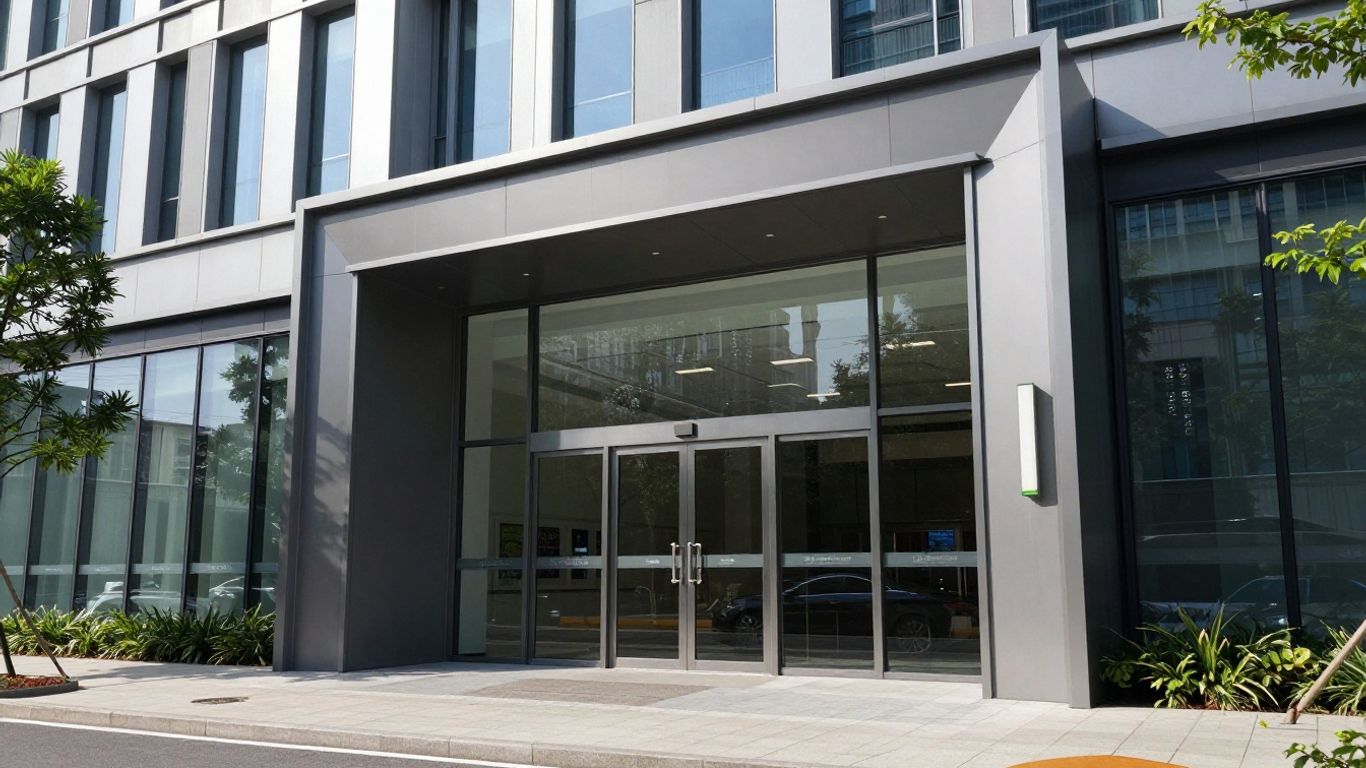
Corporate offices may handle administration, legal affairs, strategic planning and the development of bHIP’s product offering. The precise responsibilities of each location depend on the company’s actual organizational structure. Confirm which entity and office are responsible for a particular administrative or commercial matter.
The Role of Leader-Managed Support Centers
Independent distributors may establish their own support spaces to facilitate training, organize meetings and provide assistance to other distributors. Such spaces may be privately operated rather than owned or managed by bHIP itself. Check their ownership, authorization, activities and any associated fees before assuming that they represent the corporation.
Legal and Operational Limitations of Distribution Locations
Distributor-managed premises may have limited authority to act on behalf of the company. Do not assume that an independent meeting center is authorized to issue corporate contracts, accept payments or make binding commitments. When evaluating the business model and its risks, verify the identity and authority of the person or entity with whom you are dealing.
Safety Tips When Looking for bHIP Offices
Checking Addresses on Online Maps
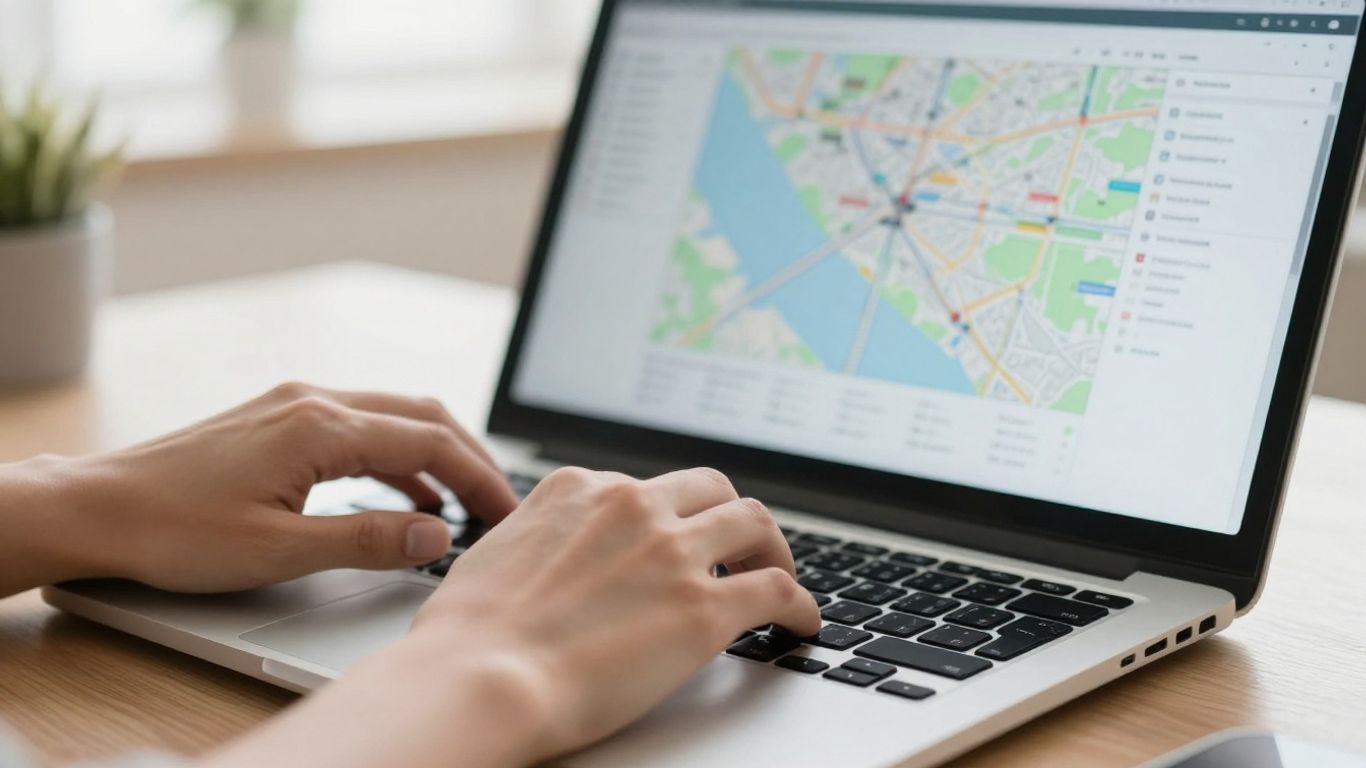
Before traveling to an address, use online mapping tools to understand the location. Compare the listing with contact information obtained directly from the company. A map listing alone cannot establish ownership or official authorization. Confirm that the location is open to visitors and provides the service you require.
Careful research is an important part of evaluating commercial opportunities. Verify material information through appropriate official and independent sources before making a commitment.
Avoiding Unauthorized Intermediaries
Be cautious about people or entities offering exclusive access to supposedly privileged information in exchange for additional payments. Confirm their identity, authorization and written terms through verified company channels. Avoid transferring money or sharing personal information with an unverified representative.
Checking Local Requirements and Relevant Regulatory Authorities
Research applicable consumer protection and direct selling requirements in your country to understand your rights and responsibilities. Where necessary, consult the relevant regulatory authority or a qualified local adviser.
When assessing a multilevel business opportunity, examine actual compensation incentives, genuine independent retail demand, participant purchases, full costs and cancellation conditions. Representative net earnings and official findings are more informative about financial and legal risks than the presence of a building. No income or profit is guaranteed.
Final Reflections
Identifying the nature of a company’s offices is a sensible step for anyone exploring direct selling and e-commerce. Distinguishing corporate operations from distributor-managed initiatives provides a clearer picture of the organization and the authority of each location.
Before visiting an office or entering an agreement, confirm the relevant address, legal entity, available services and current written terms. Compare the company’s information with independent evidence and decide whether the commercial arrangement is appropriate for your circumstances.
Frequently Asked Questions
Do I Need to Visit an Office to Start a Business?
The original describes a direct selling model in which many activities can be conducted remotely. Verify current registration requirements, market availability, identity verification procedures and any local obligations. A physical visit may not be necessary, but that depends on the applicable arrangements.
How Can I Tell Whether an Office Is Official?
Contact the company directly through its verified official channels. Ask whether the address belongs to the relevant corporate entity or an independent distributor, what services it provides and whether visitors are accepted. Compare the information with appropriate records.
Do All Network Marketing Companies Have Offices in Every Country?
No. Some companies rely on logistics partners, digital services and independent distribution networks rather than maintaining their own administrative premises in every market. Whether a particular arrangement is permitted depends on the applicable local requirements.
What Should I Do if I Suspect an Office Is Unauthorized?
Do not make payments or share sensitive information until its status has been established. Contact the company through verified channels and, if appropriate, report the situation to the relevant local authority. Keep records of any representations or requests you received.
What Services Are Provided at an Official Office?
Corporate offices may handle administrative, legal, strategic or operational matters. Some locations may also provide customer or distributor services, but functions vary. Confirm the purpose of the specific office before visiting.
Does the Law Require These Companies to Have Physical Premises?
Requirements vary by jurisdiction. Some markets may require a registered office, local establishment or other physical infrastructure, while others permit certain remote operations. Check the current rules applicable to the relevant legal entity and business activities.
Is It Safer to Invest in Companies With Physical Offices?
Not necessarily. A physical location does not guarantee financial stability, profitability or legality. When evaluating a business opportunity, investigate actual operations, financial evidence, compensation incentives, genuine consumer demand, applicable requirements and all potential costs. Independent distributor participation can result in losses even with sustained effort.
Disclosure: This website is commercially affiliated with bHIP. This English adaptation reflects the original article’s distinction between corporate offices, logistics facilities and distributor-managed centers. Current office locations, support response times, operational arrangements and company-specific regulatory compliance have not been independently verified. This is general educational information, not legal or financial advice.