
Real Products and Global Operations: The Foundation of bHIP

When people evaluate an international company, they often focus on its business plan, growth opportunities or presence in different countries.

However, Carlos Medellín believes there is a much more important question:

What truly supports a company so that it can grow and remain active in different markets for years?

The answer rarely lies in a single strategy. Companies that establish an international presence need products that provide value, efficient operations, adaptability and a long-term vision.

In bHIP’s stated business model, these elements connect products, customers and entrepreneurs across different regions. Understanding how they work together provides a broader perspective than international presence alone.

Expanding and maintaining sustainable operations across multiple markets are two very different challenges.

In this article, we examine the importance of tangible products and global infrastructure in bHIP’s reported development, and the lessons entrepreneurs can draw from this business model.

Key Takeaways

  • Discover why products that provide genuine consumer value are fundamental to sustainable commercial activity.
  • Understand how international operations can support bHIP’s growth.
  • Learn why logistics, adaptation and innovation matter to international companies.
  • Explore Carlos Medellín’s perspective on the principles that support a global business.
  • Discover what factors to examine when evaluating a company with international operations.

Illustration of physical products and bHIP's global operations

Why Are Real Products the Starting Point?

Before examining any business model, Carlos recommends answering a simple question:

What value does the customer actually receive?

A sustainable commercial business needs products or services that address genuine needs. Those offerings can provide a foundation for trustworthy customer relationships and ongoing commercial activity.

In bHIP’s stated model, products are the point of contact between the company and consumers. They provide an identifiable offering that customers can evaluate independently of the opportunity to become distributors.

The existence of physical products alone does not establish the legality or financial sustainability of a network marketing business. Genuine independent consumer demand and actual compensation incentives also matter.

Value Goes Beyond the Product

Although products are fundamental, Carlos explains that they do not guarantee a company’s success. Appropriate processes are also needed to support:

  • Consistent quality standards.
  • Efficient distribution.
  • Customer service.
  • Continuous improvement.
  • Adaptation to different markets.

When these elements work together, the product becomes part of a broader customer experience. The effectiveness of a company’s processes should be assessed using actual evidence.

Trust Is Built Through Consistency

One challenge for an international company is maintaining appropriate quality standards across markets. Customers expect a dependable experience when purchasing a product.

Carlos considers consistency the result of well-defined procedures, quality controls and operations capable of maintaining standards as the organization develops.

Consumer trust is not built through promises. It is earned through consistent, verifiable performance over time. Specific quality and manufacturing claims should be evaluated using current product and facility documentation.

Global Operations: More Than a Presence in Multiple Countries

When a company describes itself as international, people may imagine offices distributed across different regions. Operating globally involves more than that.

It involves coordinating processes, understanding markets, adapting to local regulations, managing logistics and providing appropriate customer and distributor support.

Carlos emphasizes that internationalization involves developing systems that can operate across different cultural, economic and regulatory environments rather than simply expanding geographically.

Adaptability can help support sustainable operations. Actual market availability, operating capabilities and regulatory compliance should be verified in each relevant jurisdiction.

Illustration of people connected across the world

How Global Operations Can Strengthen the Customer Experience

Behind a product delivered to a customer are processes that may involve logistics, planning, regulatory compliance, technology and customer service.

These are important elements of an efficient international operation. Carlos believes the value of international expansion depends not merely on opening markets, but on providing dependable service in those markets.

Achieving this requires appropriate processes and a long-term vision. Service conditions and available products may differ by country.

Adapting to Different Markets

Every country has its own characteristics. Regulations, consumer preferences and business cultures differ. An international company needs more than one identical strategy for every market.

Carlos explains that sustainable expansion involves understanding local needs while maintaining a coherent global identity. This may include:

  • Adapting processes when necessary.
  • Understanding consumer expectations.
  • Respecting applicable regulations.
  • Providing appropriate local support.
  • Maintaining consistent, appropriate quality standards.

Adaptability is an important capability for global organizations, provided that actual local operations and compliance support it.

Logistics as a Pillar of Growth

Many people focus on the finished product without considering the processes that precede delivery. International operations depend on coordinated logistics.

Inventory management, distribution and order tracking can each influence the customer experience. Carlos regards efficient logistics as important not only for delivery speed, but also for reducing errors and providing dependable service.

Effective infrastructure can help customers and distributors focus on their commercial relationships. Check actual delivery arrangements, costs, return policies and support services in the relevant market rather than assuming uniform performance worldwide.

Technology That Connects People and Processes

International businesses increasingly rely on technology, not only to sell products but also to coordinate operations, improve processes and facilitate communication across locations.

Carlos emphasizes a practical purpose for technology: making customer and entrepreneur experiences more efficient.

Digital platforms may simplify tasks such as:

  • Order management.
  • Shipment tracking.
  • Access to information.
  • Communication between distributors.
  • Education and training.

Technology can support sustainable operations when it addresses genuine needs. Verify the availability and effectiveness of particular tools, and use them responsibly with appropriate attention to privacy and consent.

Innovation and Continuous Improvement

One characteristic of a long-term business strategy is the ability to evolve. Markets, consumer needs and technology change, requiring companies to consider how to remain competitive.

Carlos believes innovation involves more than creating new products. It can include improving processes, optimizing the customer experience and finding more efficient ways to create value.

Listening to the Market

Innovation begins with listening. Customer feedback, needs and experiences can provide valuable information for improving products and operations.

Carlos considers active listening an important part of developing adaptability. Companies should examine genuine consumer feedback, including complaints, and use reliable evidence to determine where improvements are needed.

Quality as an Ongoing Commitment

Quality should not be understood as a one-time objective. Products, processes and customer interactions contribute to a company’s reputation over time.

Carlos emphasizes earning trust through consistent experiences. Companies seeking international growth need appropriate standards throughout their operations, with documentation and verification of product-specific quality claims.

Quality matters not only to sales but also to credibility. A company’s reputation should reflect what it actually delivers.

What Entrepreneurs Can Learn From a Global Business

Beyond products and international reach, there is a useful lesson for entrepreneurs: businesses need systems that can be maintained and improved over time, rather than focusing exclusively on immediate results.

Carlos considers this principle applicable to local projects and international companies alike. The fundamentals include:

  • Creating genuine customer value.
  • Maintaining appropriate quality standards.
  • Developing efficient processes.
  • Adapting to change.
  • Investing responsibly in learning and innovation.

Applying these principles can support more informed business decisions. They do not guarantee growth or profit, which depend on actual demand, costs, market conditions and other factors.

Illustration associated with bHIP's leadership and global operations

The Impact of a Global Company on Partners and Customers

International development may affect more than sales. Coordinated operations can provide customers, distributors and commercial partners with access to processes and resources intended to address market needs.

Carlos believes the value of global operations lies not merely in the number of countries reached, but in the ability to provide a consistent, appropriate experience to people interacting with the company.

Creating Long-Term Opportunities

International expansion may introduce new consumers and commercial possibilities. Carlos emphasizes that sustainable projects require more than access to a new market.

  • Products with genuine customer value.
  • Organized processes.
  • Useful ongoing education.
  • Responsible leadership.
  • A credible long-term business strategy.

Geographical reach can broaden the scope of potential activity, but individual financial results remain uncertain. Review the applicable compensation plan, actual incentives, independent retail demand, representative net earnings and full costs. Participation can result in no earnings or financial losses even with sustained effort.

Growth Based on Relationships

Technology, logistics and infrastructure do not replace human relationships. Carlos considers trust important to business development, including relationships with customers, distributors and people providing responsible education.

Responsible relationships involve accurate communication, appropriate support and respect for individual choices. Genuine commercial activity should not depend on pressure to purchase or participate.

The Importance of Leadership

An international company needs more than products. Leadership also involves integrity, helping people develop useful skills, addressing problems and encouraging professional autonomy.

For Carlos, leadership is not simply directing a team. It involves creating conditions for learning and informed decisions. Education can contribute to organizational capability, but does not guarantee financial outcomes or corporate stability.

Looking Toward the Future

The business environment continues to change. Consumers develop new preferences, technologies advance and market expectations evolve.

Companies seeking to remain relevant need to prepare for the future while examining the principles that support their activities. Carlos identifies four areas of focus:

  • Continuous innovation.
  • Responsible adaptation.
  • Operational excellence.
  • Commitment to customers.

These principles offer criteria for evaluating a company’s response to future challenges rather than guarantees of success.

Sustainable Growth

Growth alone does not guarantee success. Rapid expansion can introduce difficulties when operational processes do not evolve at the same pace.

Carlos emphasizes balancing expansion with efficient operations, dependable logistics and appropriate customer support. Financial performance, genuine consumer demand, responsible compensation incentives and applicable regulations also matter.

Sustainable development involves more than growing quickly. It requires examining whether the activity can be maintained responsibly.

Innovation With Purpose

Innovation should address actual needs rather than follow technology trends for their own sake.

Carlos considers improvements to the customer experience, operational processes and product offerings important to long-term relevance. The objective is to improve what provides genuine value, rather than changing constantly without a clear purpose.

Conclusion

Real products and global operations are more than two characteristics of an international company. They provide useful areas for examining how an organization develops commercial activity, adapts to different markets and serves consumers and business partners.

Carlos believes a company should not be measured solely by its geographic reach. Product value, operational performance, innovation, financial sustainability and responsible relationships are also important.

The original describes bHIP’s international development through its product offering, global infrastructure, processes, adaptability and long-term vision. These are areas for investigation, not independently verified findings about the company’s performance.

Anyone assessing bHIP should examine the actual local arrangements, current written compensation plan, genuine independent consumer demand, participant purchases, recruitment-related incentives, representative net earnings, full expenses and relevant regulatory findings. Neither international presence nor tangible products establish legality or guarantee profitability.

The central lesson is that a durable business should be assessed through verifiable operations and actual value, rather than promises.

Frequently Asked Questions (FAQ)

Why Are Real Products Important to a Global Company?

Products provide an identifiable basis for a relationship between a company and its customers. Genuine consumer value and appropriate, consistent quality standards may contribute to sustainable commercial activity. Physical products alone do not prove legal compliance, effectiveness or profitability.

What Does It Mean That bHIP Has Global Operations?

The original describes activities across different markets involving distribution, logistics, support and adaptation to local conditions. Verify the current authorized markets, actual operating arrangements and applicable requirements before relying on specific claims about international availability or compliance.

How Can International Operations Benefit Customers?

Effective infrastructure may support product availability, logistics, customer service and dependable purchasing experiences. Actual delivery times, fees, support and return conditions can differ by country and should be verified locally.

What Role Does Innovation Play Within bHIP?

Innovation can involve improvements to products, processes and the way a company responds to consumer needs. Carlos regards purposeful innovation as relevant to long-term competitiveness. Specific claims about bHIP’s research, technologies or improvements require supporting evidence.

What Can Entrepreneurs Learn From an International Company?

International operations illustrate the importance of evaluating processes, quality standards, responsible use of technology, leadership and adaptation to markets. These lessons can be applied independently of whether someone chooses to participate in a particular business opportunity.

What Is Carlos Medellín's Vision of Business Growth?

His stated perspective emphasizes genuine customer value, responsible operations, professional development and long-term strategic thinking rather than geographic expansion alone. This framework does not guarantee financial success. Evaluate actual demand, costs, compensation incentives and representative outcomes before deciding.

Take the Next Step by Understanding How Strong Companies Are Built

Studying international organizations can help entrepreneurs examine how systems, products, processes and commercial relationships develop over time. The ability to maintain appropriate standards, respond to change and create genuine value matters more than size alone.

To understand organizations such as bHIP, investigate their products, actual infrastructure, operating conditions and business philosophy using reliable company documents and independent sources. Carlos emphasizes examining the principles behind a company rather than simply its scale.

Understanding these principles may help people make better-informed business decisions, including the decision not to participate in an unsuitable opportunity.
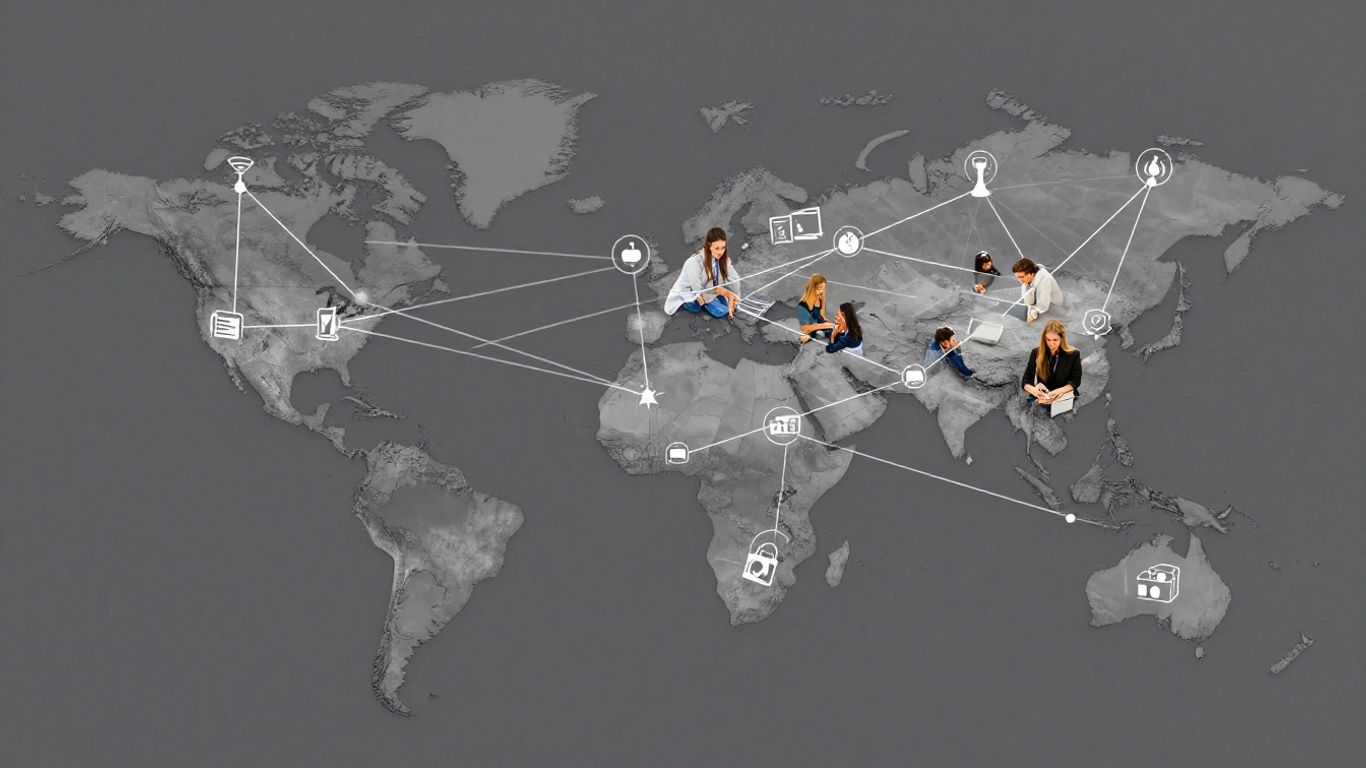
Illustration of a global map with products and people interacting

Disclosure: This website is affiliated with bHIP and may have a commercial interest in purchases or participation. This English adaptation presents the Spanish source and Carlos Medellín’s stated perspective. Company-specific operating performance, infrastructure, product quality claims, current compensation terms, representative earnings and regulatory compliance have not been independently verified. No income or profit is guaranteed. This is general educational information, not legal, financial or medical advice.

Related reading