
Essential Points
Understanding how this network operates helps entrepreneurs make decisions based on reliable information and realistic expectations. The following points outline the stated operations and development opportunities in this sector:
- The commercial focus includes direct selling of supplements and wellness products.
- The stated distribution structure may allow independent distributors to work without maintaining their own physical inventory.
- The compensation model includes potential payments associated with product sales and qualifying team activities.
- The company describes corporate support and educational resources for independent distributors.
- Results vary with consumer demand, compensation incentives, expenses, individual circumstances and commercial activities. Effort and strategy do not guarantee earnings.
bHIP's Network Marketing Business Model

The stated operational structure involves distributing products to end consumers. Understanding the company’s development and operating model helps prospective distributors evaluate whether the logistical and commercial arrangements suit their professional aspirations.
The Direct Selling Structure Explained
The model described allows eligible individuals to act as independent distributors and access a platform through which they may introduce products to customers. When investigating the company and its actual practices, confirm the current distributor agreement and local operating conditions.
The source describes centralized logistics that may reduce the need for distributors to store products at home. This approach is discussed further in the guide to key signs you can verify yourself. Check actual purchasing requirements, fulfillment arrangements, costs and any obligations relating to inventory before deciding.
Key Differences From Traditional Business Models
Unlike a conventional retail store, network marketing may rely on word-of-mouth recommendations and independent distributor relationships. Centralized fulfillment can reduce certain infrastructure requirements, as discussed in this comprehensive analysis of the business model. The following table compares general characteristics, rather than establishing the costs or risks of a particular business.
| Characteristic | bHIP’s stated model | Traditional retail business |
|---|---|---|
| Initial investment | May involve fewer fixed premises costs; verify joining and product requirements | May require substantial startup investment, depending on the model |
| Inventory | Centralized fulfillment as described in the source | May be held by the business or a fulfillment partner |
| Scalability | Potential activity across authorized markets | Local, national or international, depending on the business |
Flexibility and reduced logistical responsibilities may be relevant benefits for some entrepreneurs. However, traditional businesses can also operate remotely or use centralized fulfillment. Actual financial risk depends on costs, consumer demand, contractual obligations and representative net earnings. International activity is subject to applicable local requirements and company policies.
The Strategic Role of Team Development
Developing a commercial network can involve mentoring, communication and leadership. In addition to individual transactions, distributors may help others understand product information, commercial responsibilities and available tools.
Team development should be evaluated according to the actual incentives created by the compensation plan, including genuine independent retail demand, participant purchases and recruitment-related rewards. A larger team does not guarantee consistent sales or higher net earnings. Responsible mentoring should respect individual financial limits and the freedom to decline or discontinue participation.
The bHIP Product Portfolio

Wellness products form the basis of the company’s stated commercial offering, with an emphasis on consumable products. Ingredient quality, product development and genuine consumer demand are important considerations when assessing a wellness brand’s relevance in the market.
Innovation in Energy Supplements and Wellness
The source describes a range of products intended for consumers interested in active lifestyles and wellness. The company information guide provides additional context about its stated product focus. Examining bHIP’s operating history may also help explain how its portfolio has developed over time.
Assess each product individually using its exact formulation, ingredient amounts, labeling, intended use, relevant warnings, price and supporting evidence. The source does not identify specific research findings establishing the effectiveness of the finished products.
Manufacturing Quality Standards
The original presents quality control and adaptation to local requirements as company priorities. Review product-specific manufacturing documentation, relevant batch information and the scope and validity of any claimed certifications.
The history of the bHIP brand offers further context for investigating its development. Corporate longevity and manufacturing controls do not independently establish product effectiveness, safety or compliance in every market.
How Products Can Encourage Organic Recommendations
Word-of-mouth recommendations may arise when customers find value in a product and choose to share their experiences. Providing accurate information and reliable customer support can help establish trust.
Personal experiences should not be presented as clinical evidence or guaranteed results. Distributors should disclose commercial interests and avoid unsupported product claims. Assess genuine independent repeat purchases separately from purchases made to satisfy qualification requirements. Customer retention may support commercial activity, but does not establish financial profitability for distributors.
Understanding Income-Generating Activities

Evaluating potential compensation requires a thorough understanding of the current written plan, actual commercial incentives and financial outcomes. Personal effort and the ability to explain the plan to others do not guarantee financial success.
Understanding the Compensation Plan
The source describes a plan involving potential compensation connected with direct selling and qualifying team activities. Prospective participants should obtain the current written plan for their market and examine how commissions are calculated during each applicable period.
Review eligibility conditions, qualifying product volume, actual independent retail demand, participant purchases, recruitment-related incentives and all associated costs. The original does not provide a complete payment schedule, verified commission percentages or representative earnings information.
Direct Retail Compensation and Network Volume
The original describes potential retail margins and incentives associated with qualifying team volume. Confirm whether and how these payments apply under the current local plan, including any required purchases and ongoing qualifications.
Examine whether actual incentives support genuine independent consumer sales rather than recruitment-related payments or participant purchases. Gross commissions or sales volume should not be confused with net profit. Participants may earn nothing or incur losses after expenses, even with sustained work.
International Scalability of the Business
The possibility of connecting with people beyond one’s immediate location is often cited as a feature of digitally supported direct selling. The description of international distribution arrangements provides context for investigating the company’s stated global operations.
However, access to an international platform does not establish unrestricted permission to conduct business in every country. Verify authorized markets, local eligibility, product availability, shipping arrangements and applicable cross-border requirements. When evaluating a business opportunity, consider actual consumer demand and expenses rather than assuming that geographic reach produces additional earnings.
Culture and the Support System
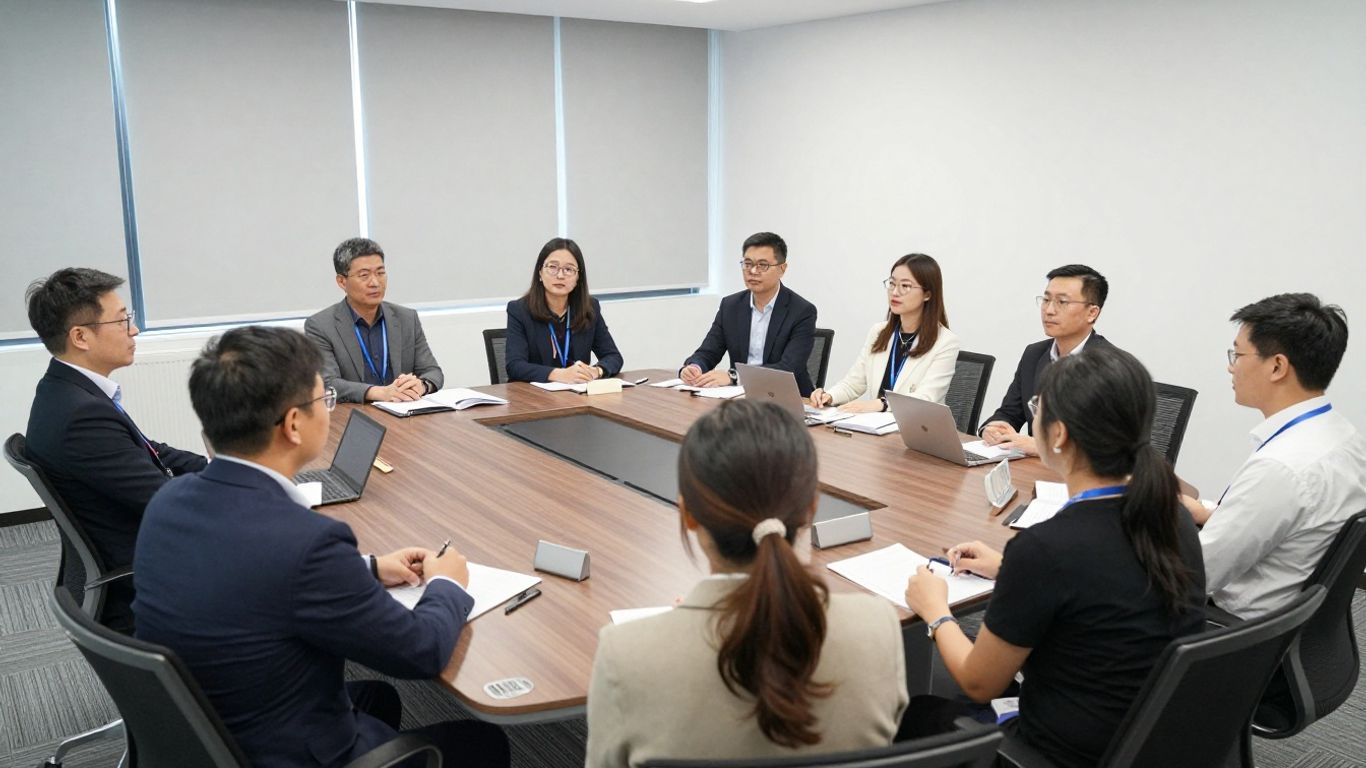
The original emphasizes distributor support, continued training and community relationships as aspects of the bHIP experience. These resources may offer professional learning opportunities, subject to their actual availability, quality, fees and conditions.
Ongoing Training for New Distributors
The source describes educational programs covering product knowledge, communication and interpersonal leadership. Such resources may help people learn about commercial activities and responsibilities. Check whether training is available in your country, what it costs and whether its materials are accurate and appropriately substantiated. Training cannot eliminate commercial risks or guarantee earnings.
Leadership Events and Global Networking
International meetings may provide opportunities to exchange experiences, meet people from other markets and learn about commercial practices. Review event agendas, participation conditions, registration charges, travel costs and educational value before attending.
Individual success stories and leadership recognition should not be interpreted as representative financial results. Networking can be valuable independently of participation in a particular business opportunity.
Digital Tools for Business Management
The source describes digital resources intended to support sales tracking, team activity and customer management. Verify current platform features, access conditions and local availability. Where appropriate, use accurate records of revenue, expenses and time commitments to evaluate actual performance.
Respect customer privacy and applicable data protection requirements when using digital tools. Access to a dashboard does not guarantee accurate, complete or profitable commercial outcomes.
Recommendations for Long-Term Development
Setting Clear Goals From the First Month
Measurable objectives can help organize activities and evaluate progress. Consider reviewing actual commercial results, learning objectives, expenses and time commitments at intervals such as 30, 60 and 90 days.
Financial goals should not be confused with predicted earnings. Establish an affordable spending limit, review representative net earnings information and compare actual results with alternative uses of your time and resources.
Daily Discipline and Reviewing Results
Scheduling time for learning, customer support and administrative tasks can help organize independent commercial activity. Consistency is useful for evaluating whether a chosen approach is working, but it does not make financial outcomes predictable or guarantee sustainable income.
Review net results regularly, account for all required and optional expenses, and avoid continuing an activity solely because you have already invested money or time. If the arrangement is unsuitable, reducing or stopping participation is a valid decision.
Adapting to Changing Digital Market Trends
Commercial environments change, and learning appropriate digital communication methods may help people connect with customers and manage activities. Digital marketing can complement traditional word-of-mouth recommendations when it respects applicable advertising requirements, privacy, customer consent and platform policies.
Use accurate product and earnings information, disclose commercial relationships and avoid unsolicited or high-pressure communication. Digital tools support organization but do not guarantee a competitive advantage or profitable results.
Final Reflections
Understanding bHIP’s stated network marketing model can help prospective distributors evaluate its products, centralized logistics, compensation arrangements, training and digital tools from a more professional perspective.
Before committing resources, review the current written agreement, genuine independent retail demand, actual compensation incentives, participant purchases, full costs, representative net earnings, applicable local requirements and return or cancellation conditions. Product availability, international reach and training do not independently establish legal compliance or profitability.
Compare these considerations with your personal and financial objectives. Professional learning and responsible commercial practices can be valuable, but no level of effort guarantees income. Decide based on reliable evidence and your circumstances, without pressure to purchase products or enroll.
Frequently Asked Questions
Do I Need Previous Experience to Get Started?
The original describes training intended for people without prior experience. Verify current eligibility requirements, training availability, fees and conditions in your market. Training can support professional development but does not guarantee financial success.
How Is Income Generated in This System?
The source describes potential retail compensation and qualifying team-volume payments. Review the current written plan, actual independent consumer demand, recruitment-related incentives, participant purchases, qualification requirements and representative net earnings after all expenses. No income or profit is guaranteed.
Does the Business Involve a High Investment Risk?
Centralized fulfillment may reduce the need for physical premises or individual inventory storage. This does not establish that the business is low-risk. Check actual joining costs, required purchases, ongoing qualification conditions, optional expenses and potential losses. Do not commit money you cannot afford to lose.
How Much Time Do I Need to Dedicate Each Day?
Time requirements depend on the actual activities, applicable conditions and individual circumstances. Consider the time needed for customer service, learning, administration and any other responsibilities. Evaluate the opportunity using actual net earnings and the value of your time rather than assuming that more hours will produce greater income.
Is There Support for Developing New Leaders?
The original describes digital resources, training and events intended to support leadership development. Confirm current availability, costs and educational content. Leadership training does not guarantee a particular rank or financial outcome.
Is It Possible to Conduct the Business Internationally?
The source describes an international model supported by digital tools and distribution arrangements. Verify which markets are authorized, what activities are permitted and which local requirements, eligibility conditions and shipping arrangements apply. International access does not automatically authorize cross-border commercial activity.
How Is Product Quality Assessed?
Review exact product labels, ingredients, relevant warnings, manufacturing documentation, batch information and applicable quality controls. Verify any specific certifications and their scope. Manufacturing standards do not independently establish clinical effectiveness, safety for every individual or regulatory compliance across all markets.
Disclosure: This website has a commercial affiliation with bHIP. This English adaptation retains the original guide’s business, product and professional-development sections while qualifying unsupported claims. Company-specific compensation terms, representative earnings, operational arrangements, product effectiveness, manufacturing certifications and regulatory compliance have not been independently verified. This information is educational and is not legal, financial or medical advice.