
Corporate due diligence is the process of checking a business’s legal identity, contractual terms, commercial operations and material risks against current documentary evidence. Record the issuer, jurisdiction, date and verification status of each document. This guide is not a certification of bHIP or any other company.
Which documents should be verified first?
Prioritize the contracting entity’s registration, current agreement, refund terms and any activity-specific authorizations. Mark unavailable documents as unresolved rather than verified. For the distinction between registration and regulatory compliance, consult the regulatory verification guide on Karla Medellín’s affiliated bHIP website.
Define the scope of the review
Before requesting documents, determine whether you are assessing a purchase, a distribution relationship or a potential commercial partnership. Each objective requires different evidence. A checklist does not replace specialist legal review when material risks are involved.

Identity and contracting documents
Request the legal name, available registration details, applicable agreement and identity of the invoicing entity. Cross-check information with official jurisdictional sources. Record versions and dates to avoid relying on outdated documents.
Commercial documents
Collect current price lists, purchase terms, return policies and, where applicable, participation fees and compensation plans. Distinguish promotional materials from contractual terms. Request written clarification when discrepancies arise.
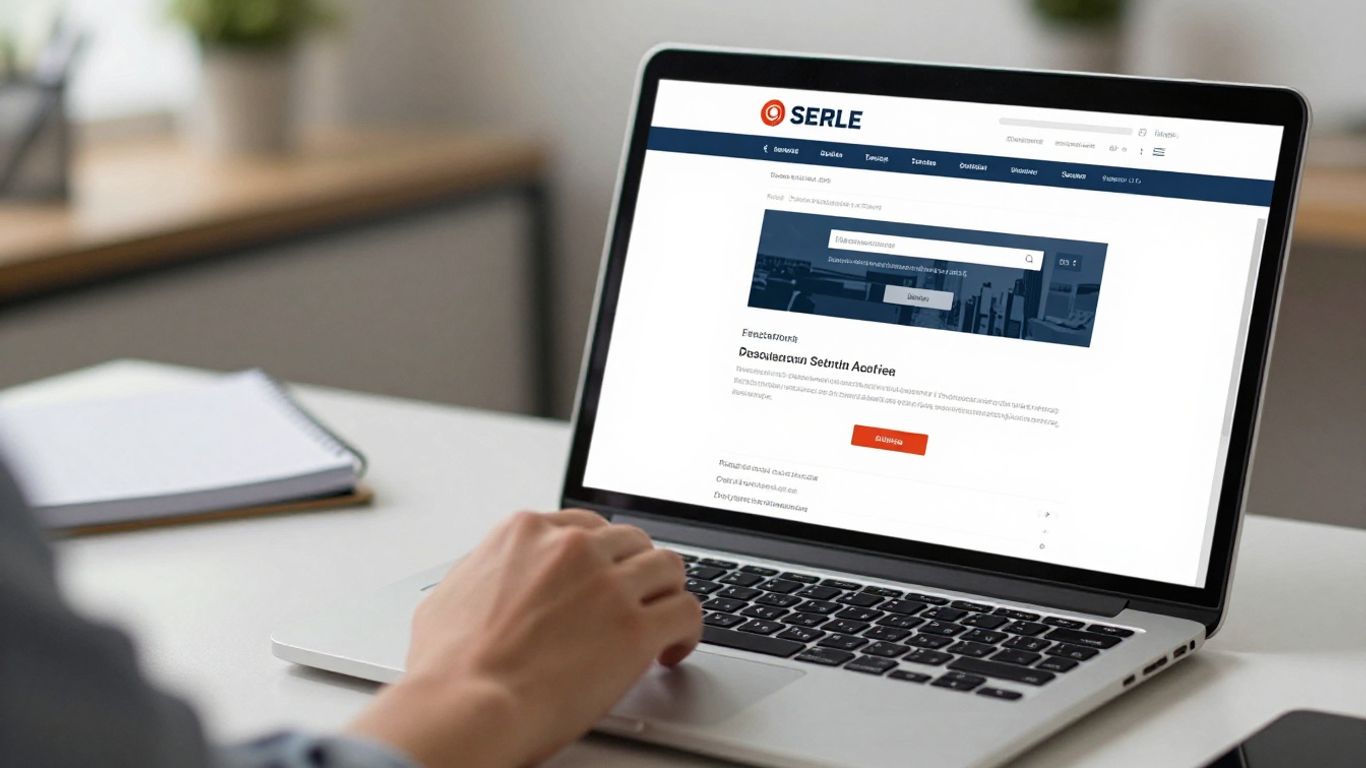
Operations and product documents
Check local catalogs, labels, instructions, ordering channels and support contacts. Examine specific permits where applicable. Do not interpret registration documentation as automatic evidence of clinical efficacy or commercial outcomes.
Organize a verifiable evidence file
Use a worksheet with columns for document, issuer, date, source, status and unresolved question. Classify evidence as official, company-reported or independent. If essential information is unavailable, record that limitation and defer decisions that depend on it.

Applying the framework to bHIP
Consult the bHIP overview as a starting point and request current official documents for your market. Learn more about the approach of Carlos Medellín. Cross-check information with independent sources and relevant authorities.
Frequently asked questions
Is a company presentation sufficient?
No. It may guide research, but material statements should be cross-checked against current documentation and appropriate sources.
Editorial disclosure: This educational resource appears on a bHIP-affiliated website. It is not an independent audit, legal advice or an income guarantee.