
Key Takeaways
Understanding the international reach of a direct selling company requires looking beyond the number of countries in which it claims to operate. Infrastructure, regulatory compliance, logistics and adaptation to local markets provide a more complete picture of its operations.
- International commercial activity must comply with applicable requirements in each market.
- Logistics infrastructure and digital platforms can help coordinate operations across countries.
- Adapting to local requirements is essential for internationally active direct selling companies.
- Independent distributors may use digital tools to manage customer relationships and team activities across regions where permitted.
- Before participating, review official information and independent evidence relevant to the country where you intend to operate.
bHIP's Global Presence
The question Is bHIP an international company? often arises among people who want to understand the company’s actual reach before purchasing products or undertaking independent distribution. In direct selling, internationalization involves more than selling across countries: it also requires adapting commercial, logistical and regulatory processes to individual markets.
Examining these factors helps explain how multinational wellness companies operate and identifies the information needed to evaluate an international business. This article provides an evaluation framework rather than an independently verified list of bHIP’s current markets.
Operations Across Different Continents
International direct selling companies often operate in different regions through networks of independent distributors, digital platforms and specialized logistics centers. Such arrangements may provide consumers and entrepreneurs with access to products and commercial tools without requiring an identical corporate structure in every country.
In bHIP’s case, product availability, services and commercial arrangements may vary by market. Consult current information for the country concerned to understand its specific operating conditions and verify whether the relevant activities are authorized.
Strategic Expansion Into Emerging Markets
International expansion generally involves assessing factors such as economic development, demand for wellness products, regulatory requirements and regional logistics capacity.
In multilevel marketing, expansion may take place gradually as companies adapt procedures, training materials and commercial strategies to the cultural and legal circumstances of each market. Such planning aims to support long-term operations in markets where the company establishes activities, but does not guarantee sustainable growth.
Adapting to Local Laws Across International Markets
One of the most important responsibilities of an international company is compliance with the requirements applicable in every jurisdiction where it conducts commercial activities.
These may include requirements concerning:
- Marketing of dietary supplements.
- Product labeling.
- Consumer protection.
- E-commerce.
- Importation and distribution.
- Tax obligations.
Anyone evaluating participation in an international company should review current information and relevant official records for their country, including product availability, applicable legal requirements and local commercial policies.
The Business Model and International Scalability
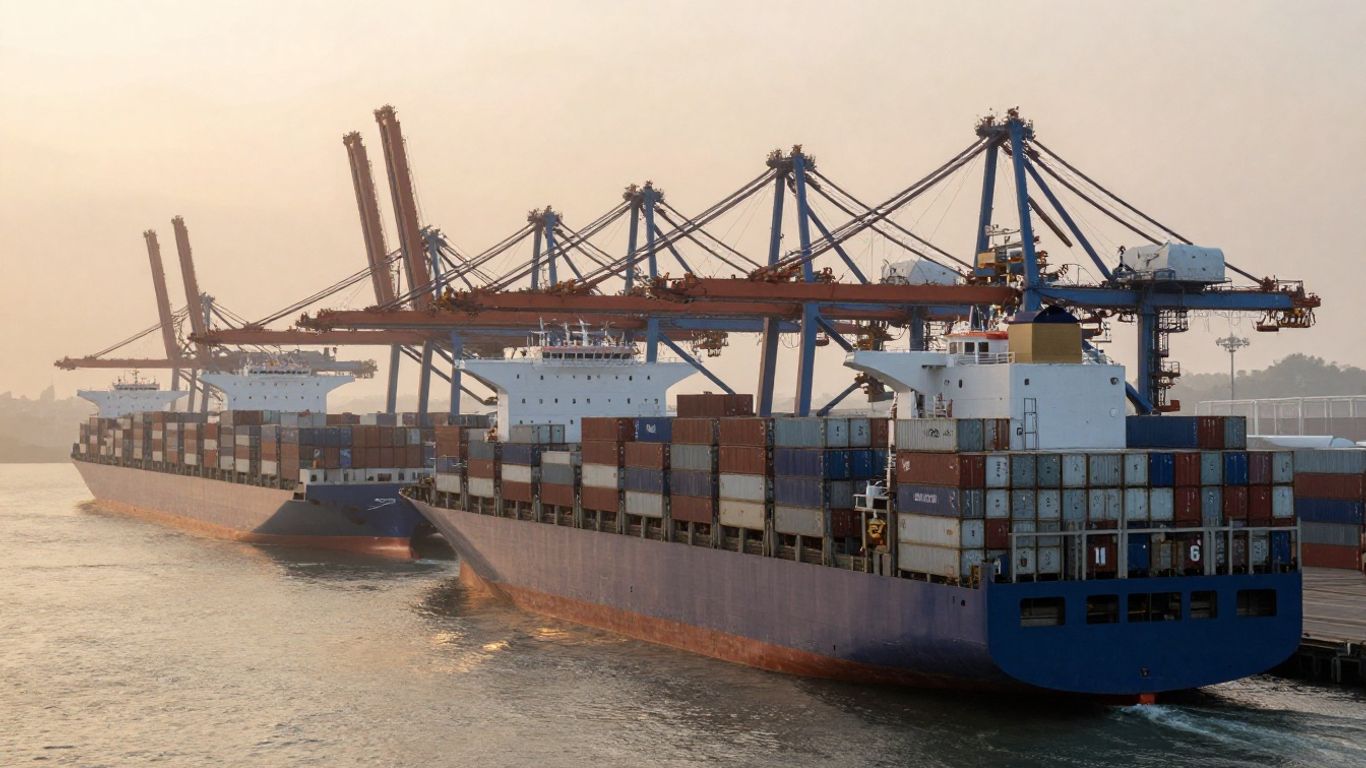
International expansion in direct selling involves more than opening operations in new countries. It also requires processes capable of coordinating orders, support, training and communication among independent distributors located in different regions.
Technology can facilitate the administration of commercial activities across locations. However, available features and services may vary according to the country and the operating structure of each market. The ability to access a platform does not necessarily establish authorization to conduct cross-border commercial activities.
Implementation of the Distribution System
Many international direct selling companies use centralized distribution models to facilitate shipments from designated logistics centers to consumers. This approach may reduce the need for independent distributors to maintain their own inventory and simplify certain operational responsibilities.
Although companies implement their infrastructure differently, centralized fulfillment can support order traceability, organized inventory management and more consistent delivery processes when appropriately implemented.
| Operational stage | Description | Potential operational benefit |
|---|---|---|
| Customer order | The consumer purchases through the channels available in their market. | Simplifies the purchasing process. |
| Logistics processing | The order is prepared at an authorized distribution center where applicable. | Supports organized inventory management. |
| Customer delivery | The logistics provider ships the order according to the conditions available in the country. | Facilitates distribution within the relevant market. |
Specific procedures may vary between markets. Consult current official information to determine how distribution works in your region, including applicable purchase requirements, inventory responsibilities, shipping charges and delivery conditions. The table describes a general operational model, not independently verified bHIP service commitments.
A Distribution Network Across Borders
International companies may connect distributors and customers in different markets through digital platforms and online communication systems.
This structure can facilitate commercial activities without relying entirely on in-person meetings, allowing interaction between people in different countries when company policies and local requirements permit.
Operational reach may nevertheless vary across regions because of regulatory factors, product availability, shipping options and jurisdiction-specific conditions. International connectivity should not be interpreted as unrestricted permission to sell, recruit or ship products across borders.
Benefits of Digital Platforms for Independent Distributors
Digital platforms are widely used in direct selling. Independent distributors may access tools for managing orders, tracking commercial activities, participating in training and reviewing operational information.
These tools are intended to support business organization and provide a clearer overview of individual activities. Their functionality may vary according to the market and current company policies.
Before starting, review the tools available in your country, their features, costs and access conditions. Digital tools can support daily organization but cannot guarantee earnings or profitability.

Quality Standards and Global Products
A company’s ability to operate across markets also depends on the consistency of its manufacturing, distribution and compliance processes. These considerations are particularly important in the wellness sector because countries may establish different requirements for marketing dietary supplements.
When assessing an international company, examine its quality management practices, available product information and the way its catalog is adapted to individual markets. Assess products individually using their exact ingredients, formulation, intended use, warnings and relevant evidence.
International Manufacturing Certifications
Many wellness companies work with manufacturers that follow industry standards intended to support consistency in production.
Depending on the country and manufacturer, applicable standards may include controls relating to:
- Raw material quality.
- Production traceability.
- Good manufacturing practices.
- Process controls.
- Storage and distribution.
Consumers interested in these matters should review available product documentation and verify any specific certifications or registrations applicable to their market. Confirm the issuing body, covered facility or product, scope and validity of each certificate. The Spanish source does not identify specific bHIP manufacturing certificates.
A product’s quality should not be judged solely by its brand. Transparency about manufacturing processes, ingredients and applicable requirements is also important.
This approach supports objective assessment based on verifiable information rather than promotional statements. Manufacturing certification does not independently establish a product’s clinical effectiveness or suitability for every individual.
Adapting Products for Export
Expansion into new markets may require additional steps before products can be marketed lawfully.
Depending on applicable local requirements, companies may need to adapt:
- Labeling.
- Language.
- Nutritional information.
- Mandatory warnings.
- Health-related registrations or other required documentation.
- Import arrangements.
The same commercial product name may therefore appear with different presentations, formulations or documentation in different countries.
Understanding these processes helps explain why international companies adapt parts of their operations while maintaining a recognizable catalog. Check the exact local product rather than relying on documentation from another country.
Consistency Across Health and Wellness Offerings
Maintaining a coherent product range across markets is a significant challenge for international wellness companies.
Although availability may vary with local requirements, companies may seek to preserve a recognizable product range and a relatively consistent consumer and distributor experience.
Always review information for the country concerned. Product availability, formulation, labeling and commercial conditions may change, and a consistent brand identity does not establish identical products or regulatory status across markets.
The Corporate Structure of bHIP Global
Understanding how an international company is organized helps explain its operations in different markets.
Direct selling companies may combine centralized corporate functions with locally adapted operations. This structure can coordinate logistics, administrative support, training and commercial development while addressing the circumstances of each market.
Verify bHIP’s actual corporate entities, local arrangements and responsibilities rather than assuming that every general feature of international direct selling applies to the company.
Headquarters and Logistics Centers
International companies may organize operations through strategically located corporate offices and distribution centers to support order management and reduce delivery times where local infrastructure allows.
Physical offices and logistics centers may differ between markets. Before assuming that bHIP maintains facilities in a particular country, consult current company contact information and independent records. Distinguish company-owned offices, independent distributor premises and third-party logistics facilities.
Managing International Supply Chains
Coordinating products across countries requires planning that takes into account factors such as:
- Customs regulations.
- Transportation times.
- Storage conditions.
- Import documentation.
- Logistics availability.
These factors can directly affect delivery times and product availability in individual markets.
Understanding these processes helps explain why international operations may differ between countries. Such differences should be assessed in context rather than automatically interpreted as problems or proof of compliance.
The Role of Leadership in Global Markets
Beyond logistics infrastructure, international direct selling may involve leaders who provide information, education and support to independent distributors across different markets.
Training, communication and sharing responsible commercial practices can support consistent working standards within an international organization. The quality and availability of these resources, leadership arrangements and any associated expenses should be verified locally.
Leadership development does not establish that a business model is lawful or financially sustainable, and individual achievements do not demonstrate typical earnings.

Customer Experience and International Support
Customer experience influences how people perceive international companies. Beyond product availability, customer service, purchasing processes and the ability to address problems contribute to the consistency of operations across markets.
International direct selling companies may combine digital tools, support channels and procedures adapted to local requirements. Confirm which services bHIP actually provides in your country.
Multilingual Support for Different Regions
As companies expand internationally, communication with consumers and distributors becomes more complex. Organizations may introduce resources in multiple languages to facilitate access to commercial information, educational materials and support.
The level of support may differ by market. Before purchasing or undertaking commercial activities, check available languages, verified contact channels and the type of assistance provided in your country.
Clear communication can reduce purchasing errors, facilitate responses to questions and improve the experience of consumers and independent distributors.
Payment Methods Adapted to Each Market
International companies may offer different payment options according to local preferences, applicable requirements and financial service arrangements.
Common payment methods may include:
- Credit or debit cards.
- Bank transfers.
- Electronic payment platforms.
- Other locally permitted payment methods.
Availability depends on the market and agreements with payment providers. These examples are not a verified list of bHIP payment options. Confirm the applicable methods, identity of the payment recipient and transaction terms through official channels before paying.
Also check the transaction currency, refund terms, applicable taxes and invoicing conditions, as these may vary between countries.
International Warranties and Policies
Returns, exchanges, warranties and post-purchase support are important considerations when evaluating international companies.
Although companies may maintain general principles across markets, the application of their policies depends on local commercial arrangements and applicable consumer protection requirements.
Before purchasing or undertaking commercial activity, review:
- Return and cancellation conditions.
- Applicable deadlines.
- Complaint procedures.
- Official support channels.
Understanding these policies helps clarify relevant rights and responsibilities. Request current written terms and distinguish ordinary consumer returns from distributor cancellation or inventory return arrangements.
International Growth Prospects
International growth involves more than entering new territories. It also requires adapting to market changes, responding to applicable requirements and assessing opportunities associated with digital commerce.
In the wellness sector, changing consumer habits, e-commerce and demand for wellness-related products can influence expansion strategies. These factors provide context for research rather than a guarantee of future growth.
Innovation in Digital Commerce
Digitalization has changed how direct selling companies interact with customers and distributors.
Tools may support activities including:
- Order management.
- Online training.
- Activity tracking.
- Team communication.
- Access to educational resources.
These solutions may allow some commercial activities to take place remotely. Specific functionality depends on the country and company policies. Confirm availability and permitted use before relying on any tool.
New Markets With Expansion Potential
International growth strategies often involve examining variables such as:
- Economic development.
- Demand for wellness-related products.
- Regulatory stability.
- Logistics infrastructure.
- Adoption of e-commerce.
Direct selling companies may assess these factors before entering new markets, considering genuine commercial opportunities and relevant legal requirements. No specific future bHIP market launch is established by the original article.
Product and service availability may differ across countries. Consult current announcements and verified local information for the market that interests you.
Adapting to Global Wellness Trends
Interest in general well-being, nutrition and healthy lifestyles can influence the development of the wellness industry across markets.
As with other companies in the sector, adapting to changing consumer preferences may influence product development, educational programs and digital resources. Product-related health claims still require appropriate supporting evidence and must comply with applicable requirements.
Market needs change over time, so updating procedures, resources and strategies may be part of an international organization’s development.

Final Reflections
Determining whether a company has a meaningful international presence requires examining more than sales activity in several countries. Regulatory requirements, logistics infrastructure, support availability, local adaptation and transparency offer a more complete understanding of operations.
People interested in bHIP’s global reach should consult current information for the country where they intend to purchase products or undertake independent commercial activities. Availability, applicable requirements, purchasing processes and operational tools may vary.
For prospective distributors, also investigate genuine independent retail demand, actual compensation incentives, participant purchases, recruitment-related payments, all expenses, representative net earnings and cancellation arrangements. International reach does not independently establish legality, financial stability or profitability. Participants may earn nothing or incur losses even with sustained effort.
Verifying these matters in advance supports better-informed decisions based on the circumstances of each jurisdiction.
Frequently Asked Questions
What Does It Mean for a Company to Be International?
An international company conducts commercial activities in more than one country. Operating across markets may require adapting processes to different commercial and regulatory conditions. An international presence does not by itself demonstrate compliance with every applicable requirement.
How Can I Check Whether bHIP Operates in My Country?
Consult current information through the company’s verified channels for the relevant market. Check the responsible legal entity, applicable official records, product availability, purchasing methods, policies and support channels. Distinguish authorized local operations from independent distributors or international shipping availability.
Are the Same Products Available in Every Market?
Not necessarily. Availability may differ depending on applicable local requirements, registrations, import conditions and commercial decisions. Review the current local catalog and the exact product’s formulation, labeling and warnings before purchasing.
Are Commercial Policies the Same in Every Country?
Companies may maintain general international principles, but return conditions, warranties, payment methods, taxation and consumer protection obligations can differ according to local requirements and commercial arrangements. Consult the written terms applicable in your market.
What Should I Review Before Participating as a Distributor?
Consider:
- Local market operating conditions and eligibility requirements.
- Available products and genuine independent retail demand.
- Applicable commercial, return and cancellation policies.
- Purchasing and distribution arrangements.
- Verified support and training channels, including any charges.
- The current written compensation plan, actual recruitment-related incentives, participant purchases, representative net earnings and all required or optional costs.
Compare this information with independent evidence and alternatives before deciding. No income or profit is guaranteed.
Why Do Conditions Differ Between Countries?
Jurisdictions may have different requirements concerning product marketing, labeling, consumer protection, imports, taxation and e-commerce. International companies may need to adapt processes and commercial terms to the requirements of each market.
How Can I Evaluate the International Presence of a Direct Selling Company?
An objective evaluation may consider:
- Publicly available corporate information.
- Documented markets and responsible legal entities.
- Applicable local requirements and relevant regulatory findings.
- Availability of consumer and distributor support.
- Logistics infrastructure where applicable.
- Transparency of commercial policies and actual compensation practices.
Reviewing these elements helps clarify the scope of international operations and supports decisions based on verifiable information rather than promotional messages alone.
Disclosure: This website is commercially affiliated with bHIP. This English translation retains the source’s international business evaluation framework. Specific current markets, facilities, product authorizations, certifications, payment methods, compensation arrangements and company-specific regulatory compliance have not been independently verified. This article is educational information, not legal, financial or medical advice.