
This guide summarizes the key aspects of bHIP’s stated international operations and explains how corporate registration, legal obligations, transparency and customer protection can be evaluated.
Key Takeaways
- The original describes bHIP as a registered company with an international presence; verify the relevant legal entity in each market.
- International operations are subject to applicable local laws and regulations.
- Intellectual property and other business assets may be protected through appropriate legal and technical measures.
- Security and trust are important considerations when evaluating bHIP’s global operations.
- Ethical business practices and transparency should be assessed against actual evidence.
bHIP's Corporate Registration and International Presence
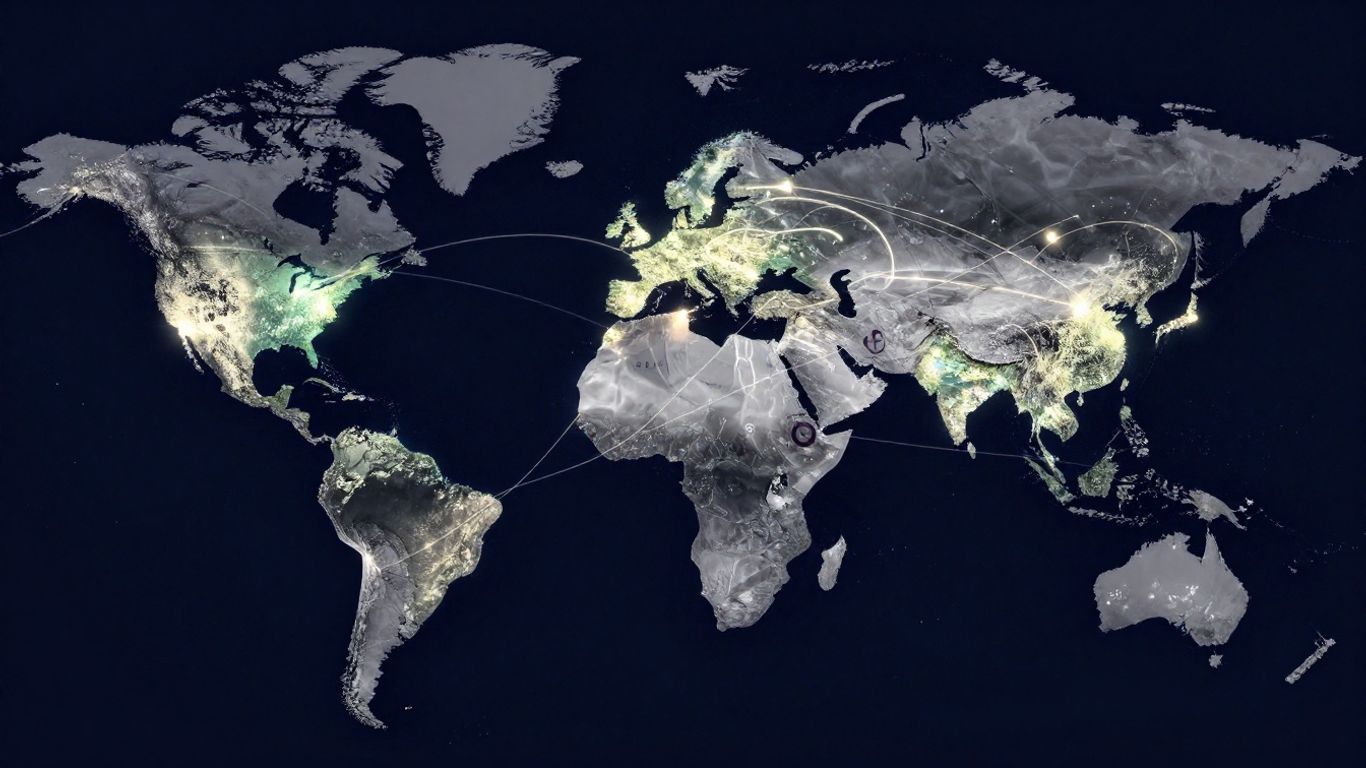
When discussing bHIP, it is important to understand its operating history and the legal entities responsible for its activities. The original describes an internationally established business whose operations are intended to comply with local requirements. Corporate registration is a starting point for verification, not proof of authorization for every activity or compliance in every country.
Global Regulatory Compliance
Operating internationally involves numerous requirements, including commercial, tax, employment, consumer protection and product regulations. The original presents compliance as a company priority. Actual compliance should be verified separately for each jurisdiction and activity, using current official records and applicable requirements.
International Corporate Structure
The source describes a corporate structure involving legal entities in different jurisdictions to support local operations. Confirm the exact registered company names, registration numbers, addresses, current status and responsibilities. A local distributor, office or partner is not necessarily a separately incorporated subsidiary.
Regulatory Recognition
The original refers to recognition by regulators in key markets without identifying specific authorizations or official determinations. Obtain the relevant documents directly from the responsible authorities. Registration, a license for a particular activity and regulatory approval of a particular product are different matters.
The affiliated bHIP product overview and Carlos Medellín website provide company-related information but do not replace independent verification.
The source emphasizes transparency and ethical conduct as foundations for lasting relationships. These commitments should be reflected in actual practices.
The Legal Framework of bHIP
Applicable Laws Around the World
International businesses must consider the applicable legal framework of each market. Different jurisdictions may impose different requirements for direct selling, advertising, taxation, employment, privacy and product distribution. The original describes legal compliance and integrity as bHIP’s objectives; it does not establish that all requirements have been satisfied.
Jurisdiction and Dispute Resolution
When a disagreement arises, identify the contracting entity, governing law, dispute resolution provisions and applicable consumer rights. The original describes an intention to resolve disputes amicably and efficiently, using formal legal processes where necessary.
Do not assume that the law of the place of purchase automatically determines jurisdiction in every situation. Review the actual agreement and mandatory local protections. The Carlos Medellín contact page can provide an affiliated point of contact for questions.
International Agreements
The original describes bHIP’s international distribution network as supported by cross-border commercial arrangements. International trade, data protection and consumer protection obligations may affect such arrangements.
No specific treaty, commercial agreement or authorization is documented in the source. Verify the terms and applicable requirements before assuming that an arrangement permits particular cross-border activities.
Protection of Intellectual Property
Brands, creative materials, products, business processes and digital platforms can represent important business assets. The original describes intellectual property protection as a company priority. The existence, ownership and scope of particular rights should be verified where relevant.
Copyright and Trademarks
Company names, logos, website materials and marketing content may be protected by applicable intellectual property law. Copyright protection and trademark registration are distinct; not every asset needs registration or has the same scope of protection. Check official trademark records and ownership information for the relevant jurisdiction, and obtain necessary permissions before using protected material.
International Licenses and Authorizations
The source states that bHIP aims to obtain the licenses and authorizations needed for its activities. This is not independent evidence that every authorization has been obtained or remains valid.
Review the specific activity, applicable market and current official records. The company overview describes the affiliated perspective on its operations.
Safeguarding Intangible Assets
Beyond trademarks and copyright, businesses may protect confidential information, trade secrets and operational know-how. The original refers to protecting product development information and distribution processes. Appropriate confidentiality measures can help protect business information, but the specific safeguards have not been independently audited here.
Additional articles about Carlos Medellín’s perspective are available on his blog. Intellectual property protection should be understood separately from regulatory compliance or financial viability.
Security and Trust in Global Operations

International operations involve responsibility for protecting customer information and maintaining reliable services. The original presents security and trust as priorities; these statements should not be interpreted as a verified security certification.
Data Security Measures
The source refers to firewalls, encryption and periodic security updates as examples of measures intended to protect information. Their implementation, coverage and effectiveness have not been independently verified.
Before sharing personal information, obtain the applicable privacy notice and confirm who controls the data, how it is processed, which parties receive it and how users can exercise their rights. The Spanish source incorrectly identifies an author archive as a privacy policy; it is not a substitute for an actual privacy notice.
Authentication and Access Control
The original describes authentication and access controls intended to restrict sensitive information to authorized users. Appropriate identity verification and access management are important safeguards. Confirm the actual security features of the service, and use strong, unique passwords and additional authentication where available.
Information Integrity
Accurate and current information matters for product details, orders and customer accounts. The source describes procedures intended to prevent or correct errors and unauthorized changes. Evaluate actual information-management practices and available correction procedures rather than assuming that information is always accurate or secure.
Transparency and Regulatory Compliance

User Information and Terms of Use
Users should know which entity they are dealing with and which terms apply. The original emphasizes the following principles:
- Clear identification: Accessible registered company details and contact information.
- Accessible terms: Understandable conditions governing purchases, participation and platform use.
- Current information: Clear communication of relevant changes to policies and conditions.
Check the actual documents before entering a transaction or agreement. The stated principles do not establish that every required disclosure is available or complete.
Commitment to Legal Compliance
The original describes compliance with applicable national and international laws as a company commitment and refers to correcting conduct that violates legal or contractual requirements. Evaluate this commitment through documented policies, actual implementation and relevant regulatory findings. A statement of intent does not establish company-wide compliance.
Adapting to Local Regulations
Each market can have different legal requirements. The source describes continuous legal research, specialized advice and operational adjustments as elements of its approach.
- Research: Monitoring changes to relevant legislation.
- Specialized advice: Seeking appropriate guidance on local obligations.
- Operational flexibility: Adjusting processes where needed to satisfy applicable requirements.
Verify which procedures are in place and what obligations apply to the contracting entity and its independent distributors.
International Reach and Operations
Strategic Geographic Expansion
The original presents international expansion as part of bHIP’s long-term vision. It describes planning for different market requirements and cultural contexts, with an emphasis on building an international community rather than limiting the business to a single location.
Confirm current authorized markets and operational arrangements. Global brand visibility does not necessarily mean that every product or business activity is authorized in every country.
Global Distribution Network
The source describes a distribution network involving logistics facilities, carriers and shipment tracking. Its stated objective is to deliver products efficiently to customers across relevant markets.
- Strategically located logistics facilities.
- Cooperation with shipping providers.
- Systems for tracking deliveries.
These are features described in the original, not independently verified service commitments. Check actual delivery coverage, shipping fees, estimated times, customs requirements and return conditions for your destination.
International Customer Service
The original describes multilingual support intended to accommodate customers in different markets and time zones. Confirm available languages, support channels, service hours and complaint procedures directly. The affiliated bHIP products page offers information about the stated product portfolio.
International service requires adaptability and clear customer communication. No universal service availability or satisfaction guarantee is established by the source.
Commitment to Business Ethics
The original describes ethical conduct as central to bHIP’s international operations. Ethical commitments should be assessed through actual treatment of customers, distributors, employees and other stakeholders.
Fair Business Practices
Responsible commercial practices involve clear information and fair treatment. The source identifies the following priorities:
- Accurate communication about products and business participation.
- Transparent compensation terms and disclosure of costs and financial risks.
- Respect for the rights, autonomy and work of people within the distribution network.
Review the actual written compensation plan, genuine independent retail demand, participant purchases, expenses and representative net earnings. Compensation is not guaranteed or necessarily predictable. Participants may earn nothing or lose money despite sustained effort.
Corporate Social Responsibility
The original describes an aspiration to contribute positively to local communities and consider environmental sustainability. The guide to evaluating bHIP’s legitimacy offers further affiliated context.
Specific social initiatives or environmental outcomes are not documented in this source. Evaluate measurable evidence of such activities rather than assuming that stated commitments establish a positive impact.
Relationships With Third Parties
The source emphasizes integrity and professionalism in relationships with suppliers and business partners. Responsible supply-chain practices may involve appropriate contractual standards, verification and compliance procedures. Actual third-party arrangements and their implementation have not been independently verified.
The affiliated product catalog provides additional company-related information.
Service Continuity and Reliability

Reliable digital services are an important operational consideration. The original presents continuous availability and contingency planning as company objectives rather than providing an independently verified service-level guarantee.
Continuous Website Availability
The source describes an objective of maintaining website availability 24 hours a day throughout the year, with monitoring intended to reduce interruptions. No actual uptime measurement or contractual service-level agreement is provided. Technical faults, maintenance and other events can cause service interruptions.
For current support information, refer to the relevant provider’s official channels or the affiliated Carlos Medellín contact page.
Contingency Management
The original refers to contingency procedures intended to respond to service disruptions. Examples mentioned include:
- Regular backups of relevant information.
- Backup systems for primary infrastructure.
- Communication procedures for notifying users about incidents.
The actual scope, recovery capabilities and effectiveness of these procedures have not been independently tested. Confirm relevant business continuity commitments where they are material to a decision.
Technical Maintenance
The original describes scheduled maintenance to update systems, address security issues and improve performance, with an intention to minimize disruption. Check official notices for actual maintenance schedules and any interruptions that could affect orders or account access.
Routine maintenance is an important practice, but does not guarantee continuous service or eliminate security risks.
Corporate Identification and Verification
Identifying the Service Provider
Knowing the identity of the company behind a transaction is an important first step. The original emphasizes clear registration and contact details. Its company information overview provides affiliated context.
Confirm the exact legal name, registered office, registration number and responsible contracting entity using official records before making commitments.
Corporate Registration Across Jurisdictions
The source describes bHIP as having registered entities in multiple jurisdictions. It does not provide a complete list of official registration numbers, certified extracts or current authorizations. Verify each relevant entity directly with the appropriate corporate registry.
Registration can establish an entity’s existence or status, but is not proof that all business activities, compensation arrangements or products comply with applicable law.
Strengthening Trust Through Verification
The original identifies accessible registration details, current legal documents and responses to questions about corporate structure as ways to support trust. Prospective customers and distributors should request relevant documentation and independently verify its accuracy.
- Identify the entity responsible for your transaction.
- Review current registration, contractual and regulatory information.
- Resolve questions about costs, rights, obligations and dispute procedures before committing resources.
Conclusion
The original presents bHIP as an internationally oriented company committed to legal compliance, intellectual property protection, secure operations, transparency and ethical business practices. These stated priorities provide a useful framework for evaluating a business, but are not independent proof that its practices meet every relevant standard.
Verify the company’s local legal identity, actual authorizations, current product information, service conditions, privacy documentation and compensation arrangements. Examine genuine independent retail demand, applicable regulations, representative net earnings and all costs before deciding whether to participate. Registration and international presence do not guarantee financial success or establish the legality of an MLM compensation structure.
Frequently Asked Questions
What Does It Mean for bHIP to Be Legally Registered?
Corporate registration generally concerns the legal existence or registered status of a particular entity. It does not automatically authorize all activities in every country. Review the local registration, applicable licenses and actual business model separately.
How Do We Know Whether bHIP Is an International Company?
The original describes operations and customers in several countries. Verify current registered entities, authorized markets, local operating arrangements and product availability through appropriate official and company sources.
What Does bHIP Do to Comply With Laws in Other Countries?
The source describes local regulatory compliance as a priority. Confirm the actual requirements and relevant documents for the entity, products and business activities in your market. No company-wide compliance determination is established here.
Is the Information Shared With bHIP Protected?
The original refers to security controls intended to protect information, but their effectiveness has not been independently verified. Obtain the applicable privacy notice and review actual data-handling practices and account security features before sharing personal information.
What Happens if a Problem or Dispute Arises?
Consult the current agreement, customer support procedures, applicable consumer protections and relevant dispute resolution provisions. Governing law and jurisdiction may vary according to the entity and circumstances.
How Does bHIP Keep Its Operations Secure?
The original refers to technological safeguards, access controls and operational procedures. It does not provide an independent security audit. No system is entirely free from security risk.
Is bHIP a Transparent Company?
The original presents transparency as a stated commitment. Assess the actual availability and accuracy of corporate details, written terms, product documentation, costs, compensation rules and representative financial outcomes before making a judgment.
What Does bHIP Do for Society?
The source describes aspirations to treat people fairly and contribute positively to communities. Specific programs and outcomes have not been independently documented here. When evaluating a business opportunity, examine actual conduct and measurable evidence alongside stated social commitments.
Disclosure: This website is affiliated with bHIP and may have a commercial interest in purchases or participation. This English adaptation preserves the themes of the Spanish original while distinguishing company-related assertions from independently verified evidence. Specific corporate registrations, regulatory authorizations, intellectual property claims, security measures, uptime, social initiatives and compensation terms have not been independently verified. This is general information, not legal, financial or technical security advice.